
B_I THE AMERICAN
THE AMERICAN RODEO
Event Identity · Art Direction · Environmental & Experiential Design
THE BRIEF
In 2022/23, following Teton Ridge's acquisition of The American Rodeo,
I was tasked with developing a completely new visual identity for one of the world's biggest rodeo events.
With the richest single-day prize money in rodeo, The American brings together the sport's leading professionals and emerging competitors in a high-profile competition celebrating the spirit and heritage of the American West.
The challenge was to create a distinctive, cohesive visual identity that could work across the entire competition, from regional qualifying events through to the knockout stages and ultimate Finals.
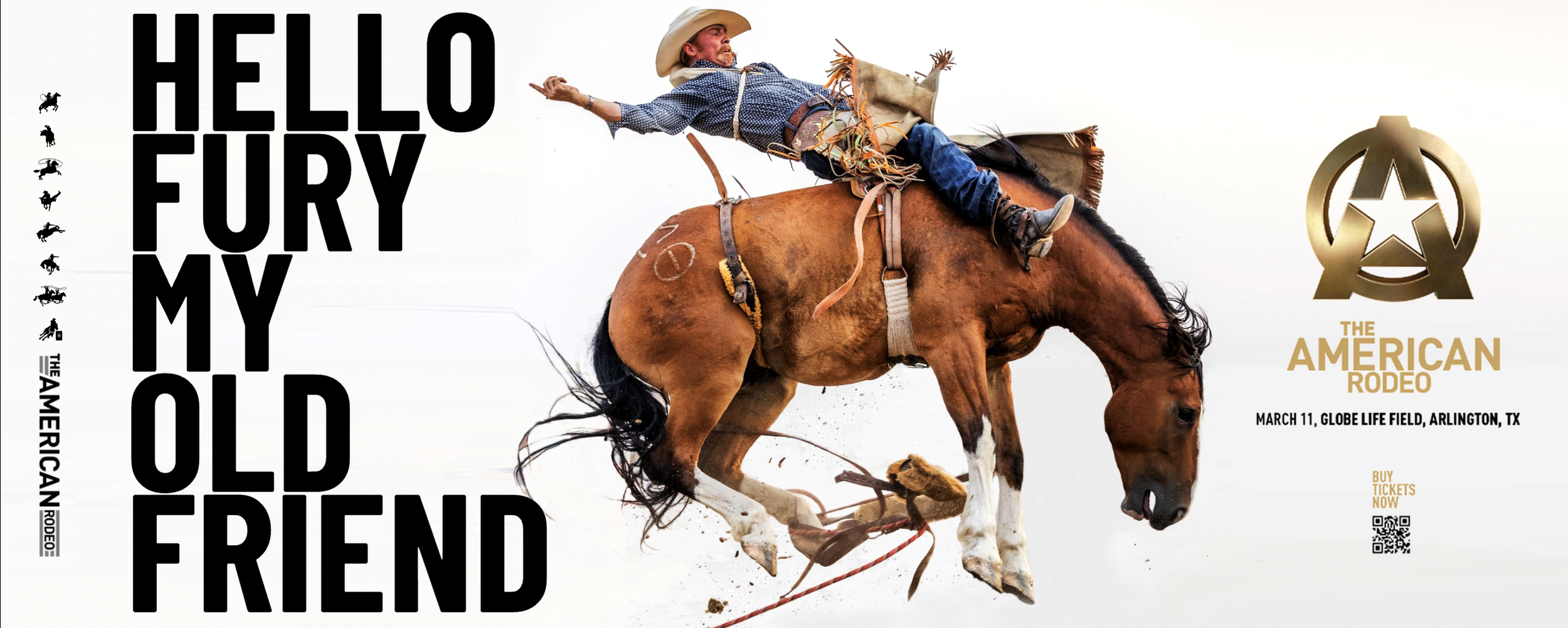
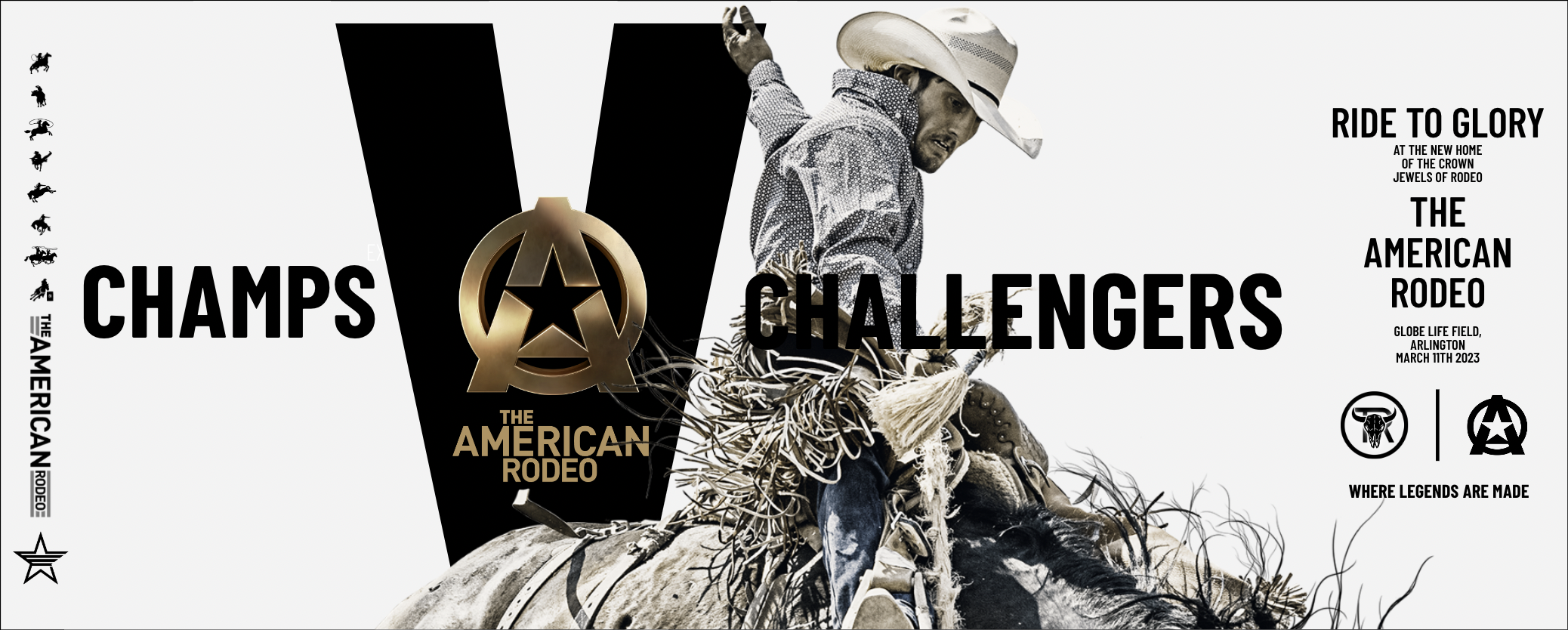
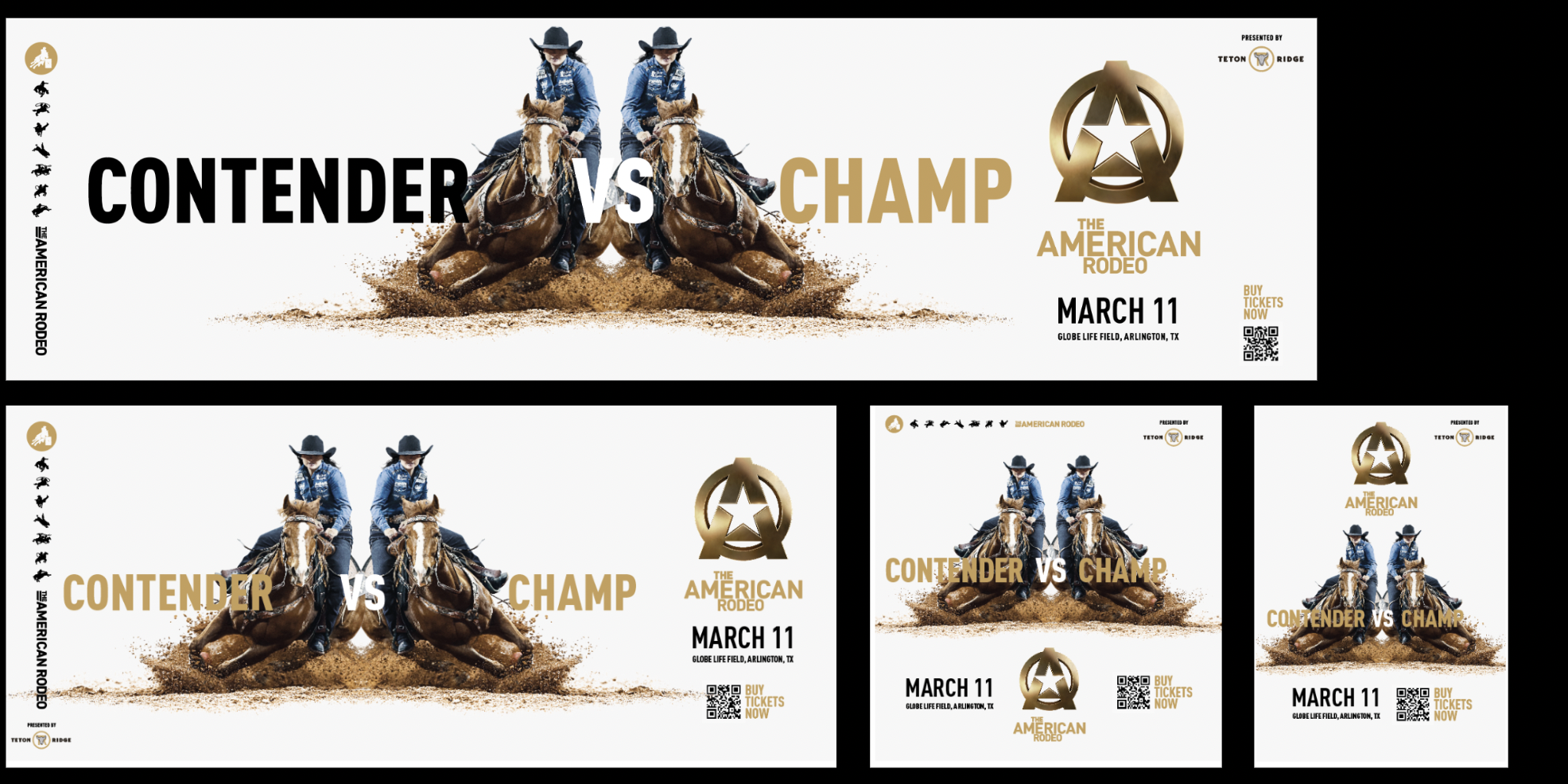
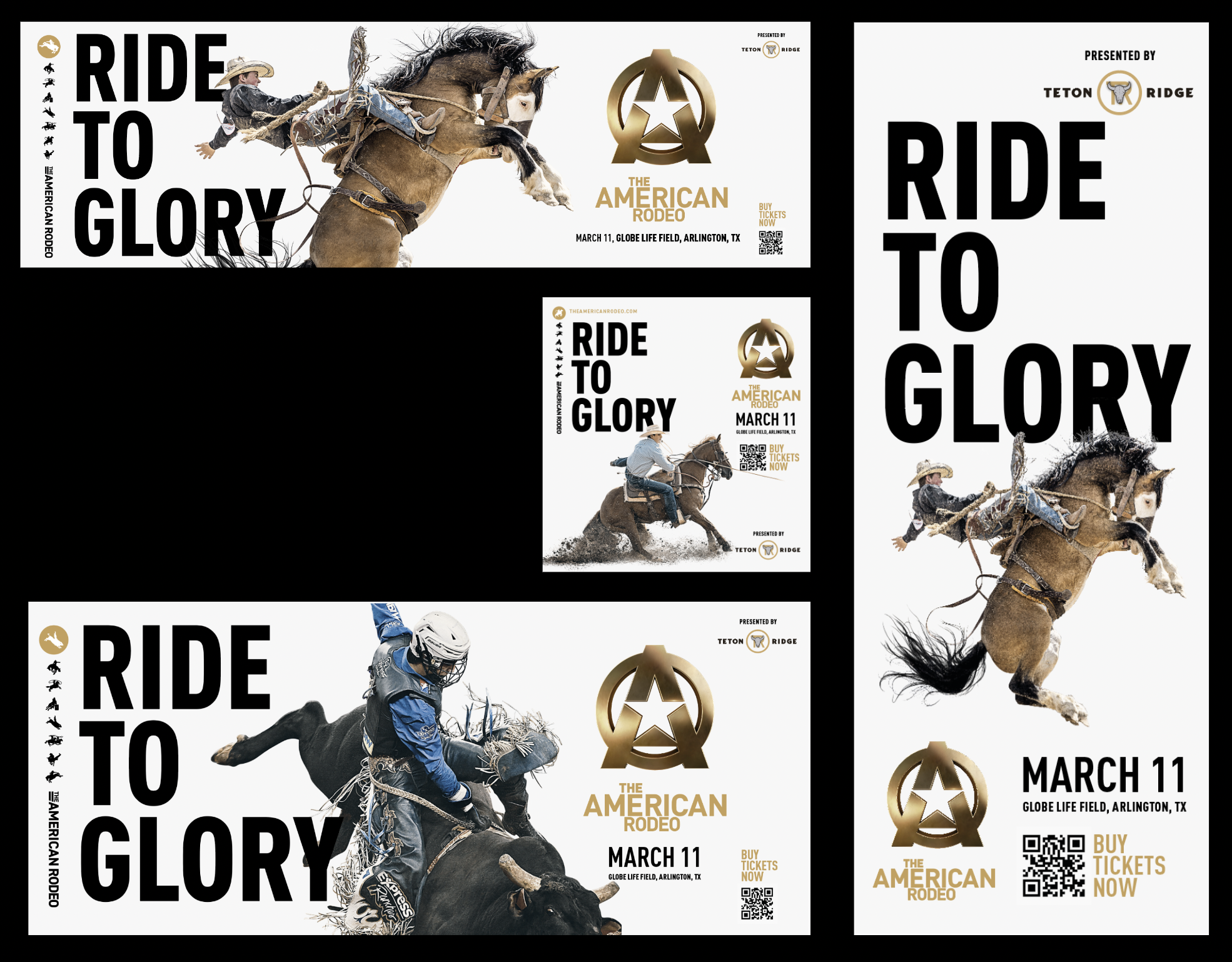
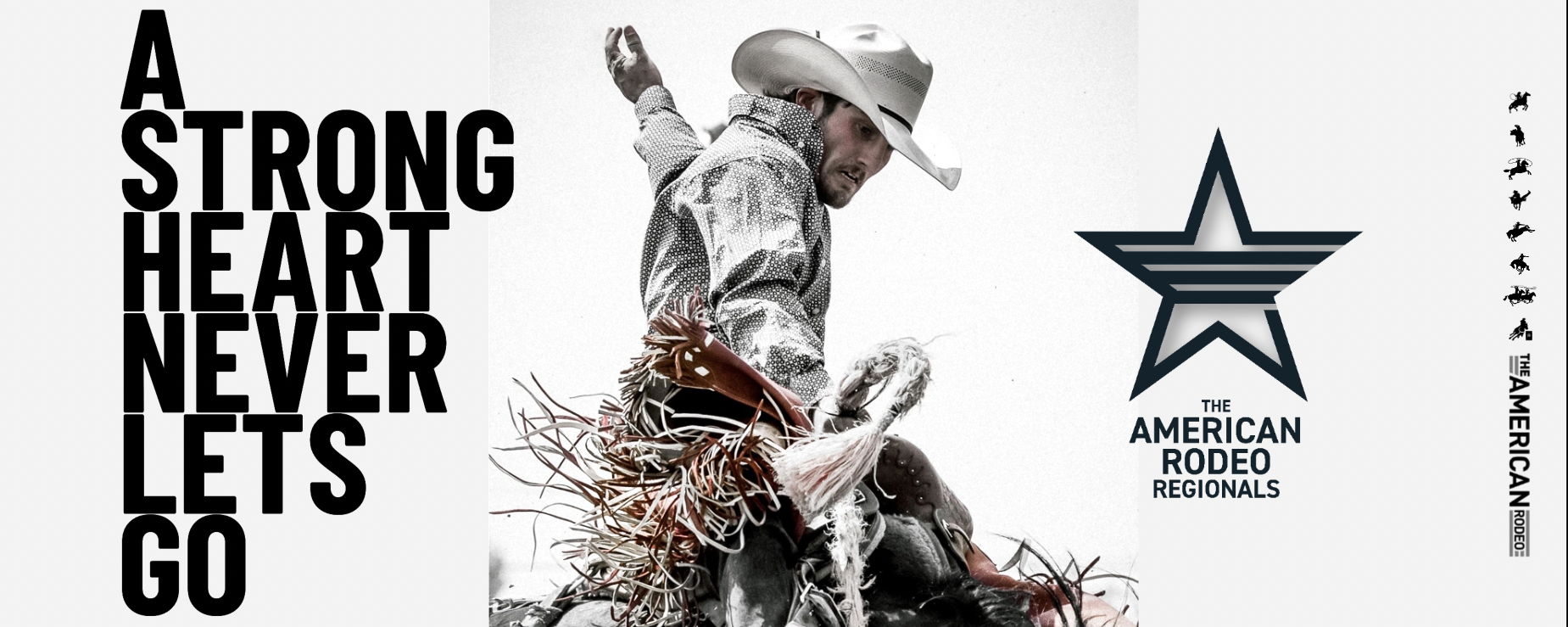
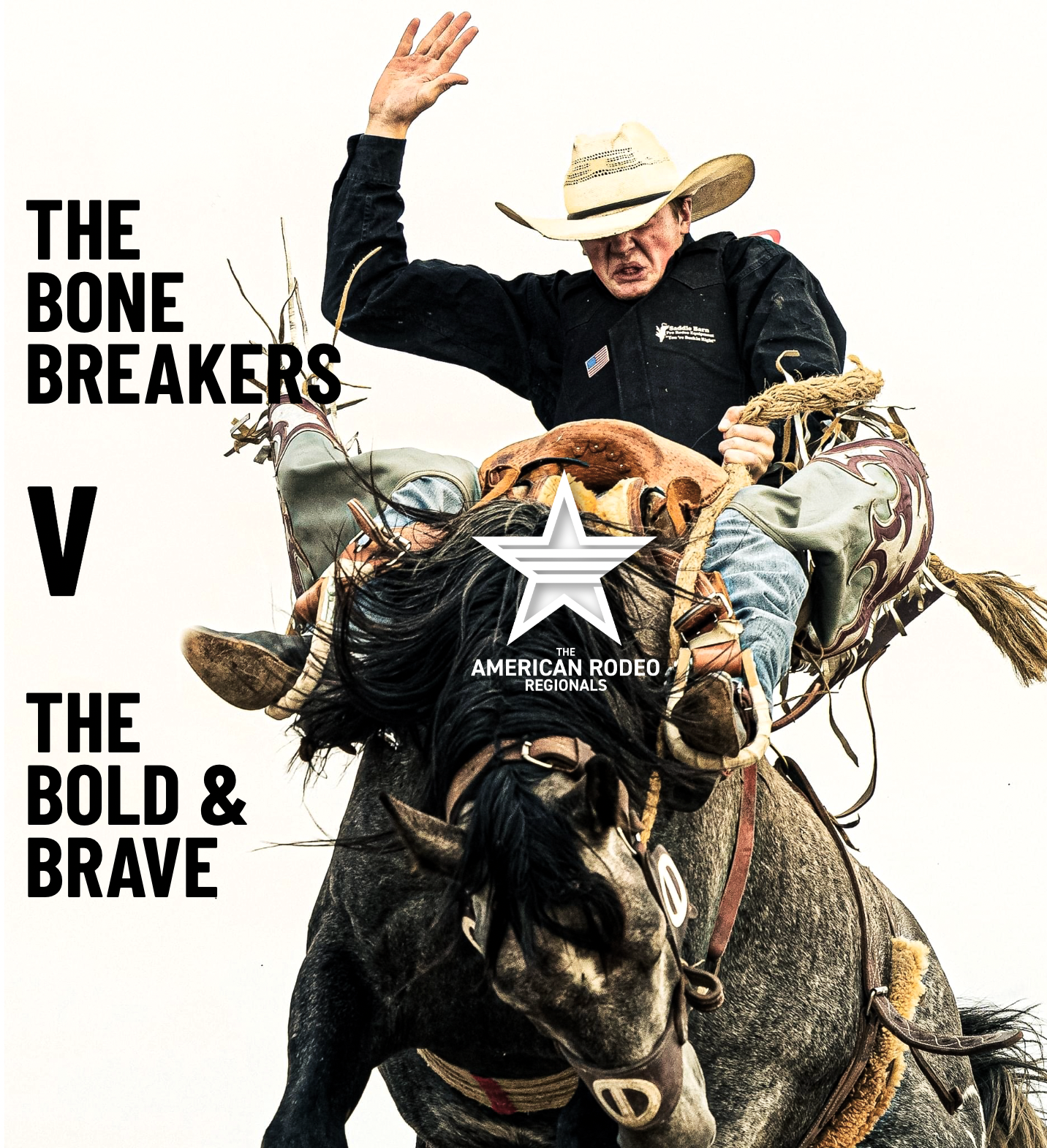
THE IDENTITY
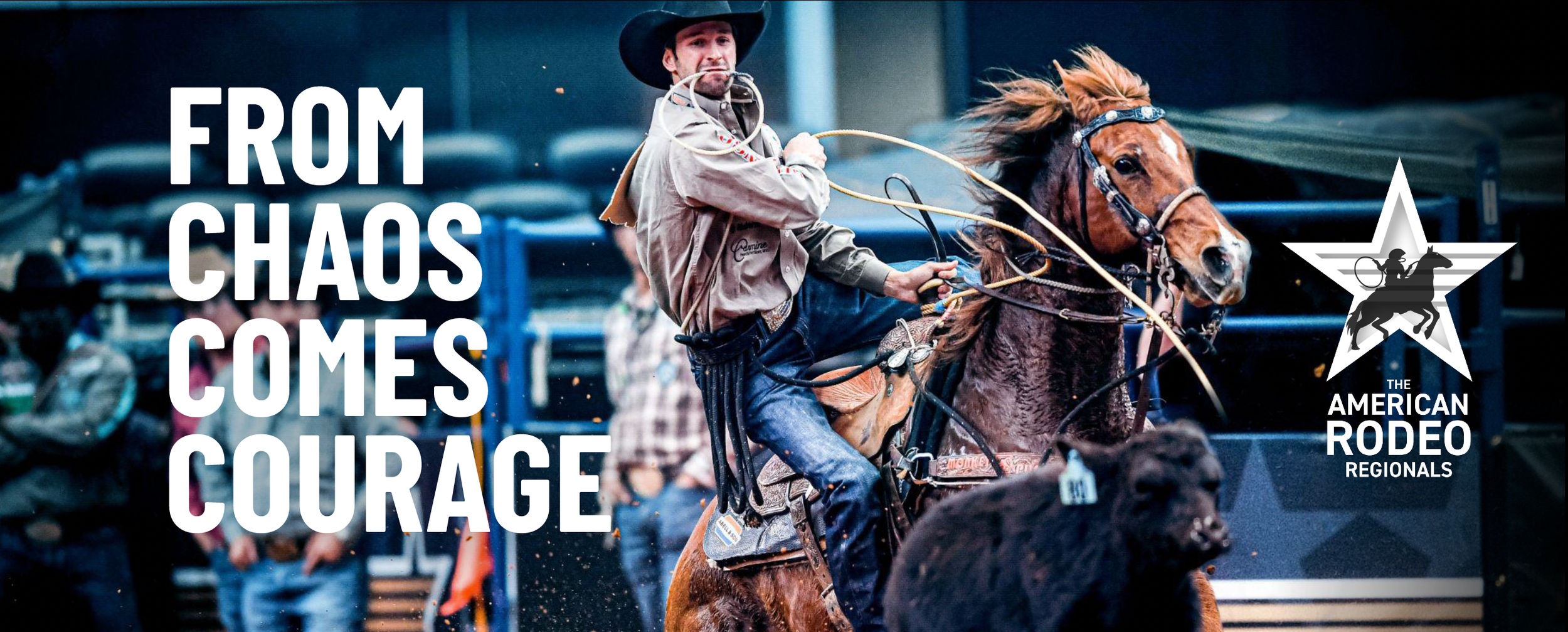
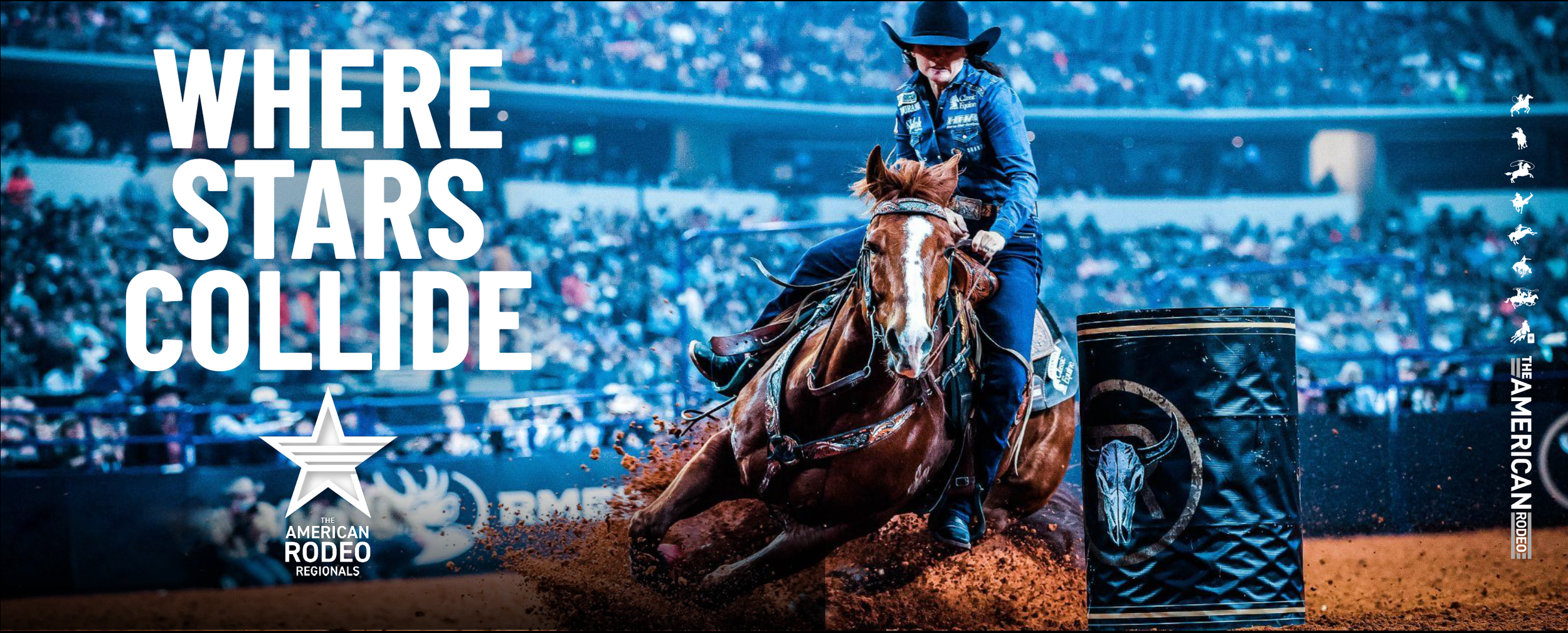
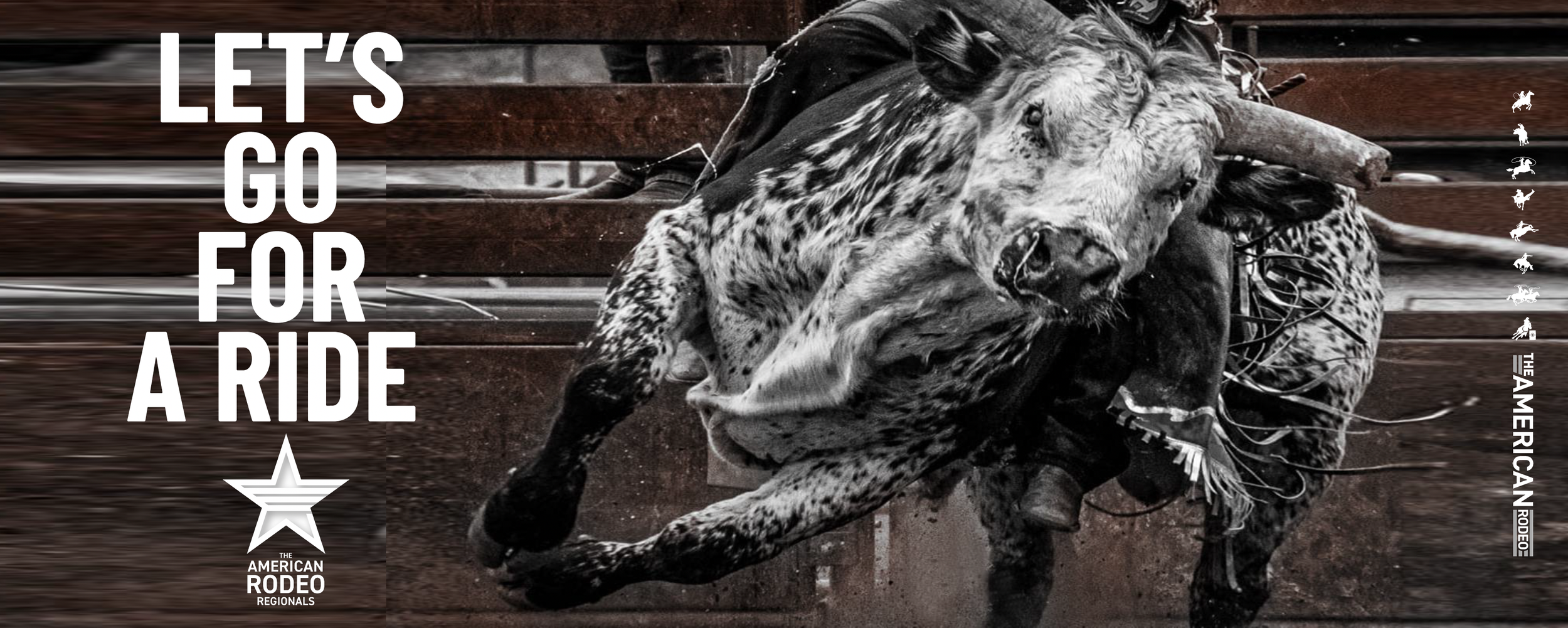
Working with the existing American Rodeo star icon, I developed an entirely new visual language around the established mark.
The aim was to create a bold, recognisable event identity that captured the scale, excitement and heritage of professional rodeo,
while giving the competition its own distinctive personality.
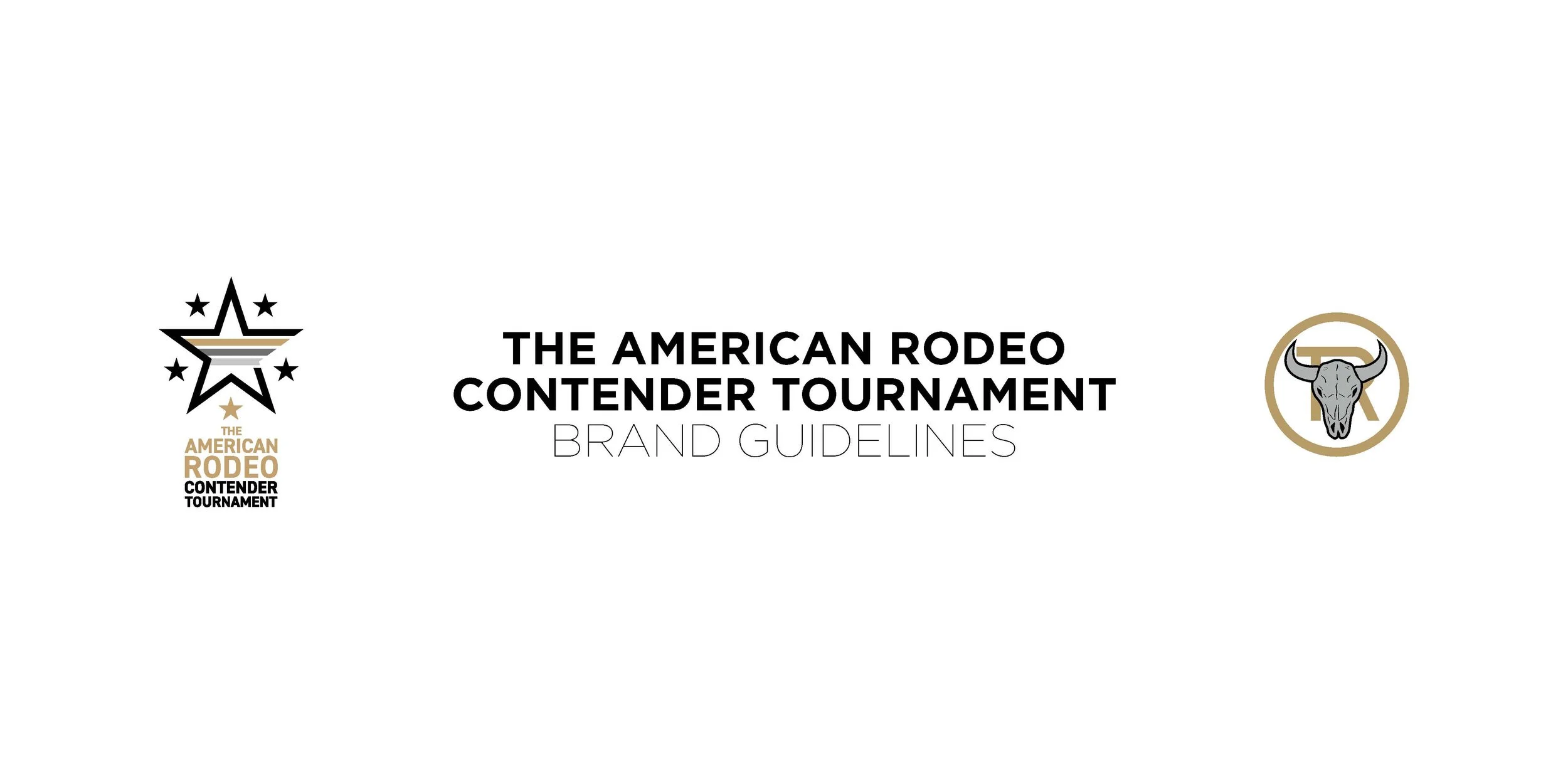
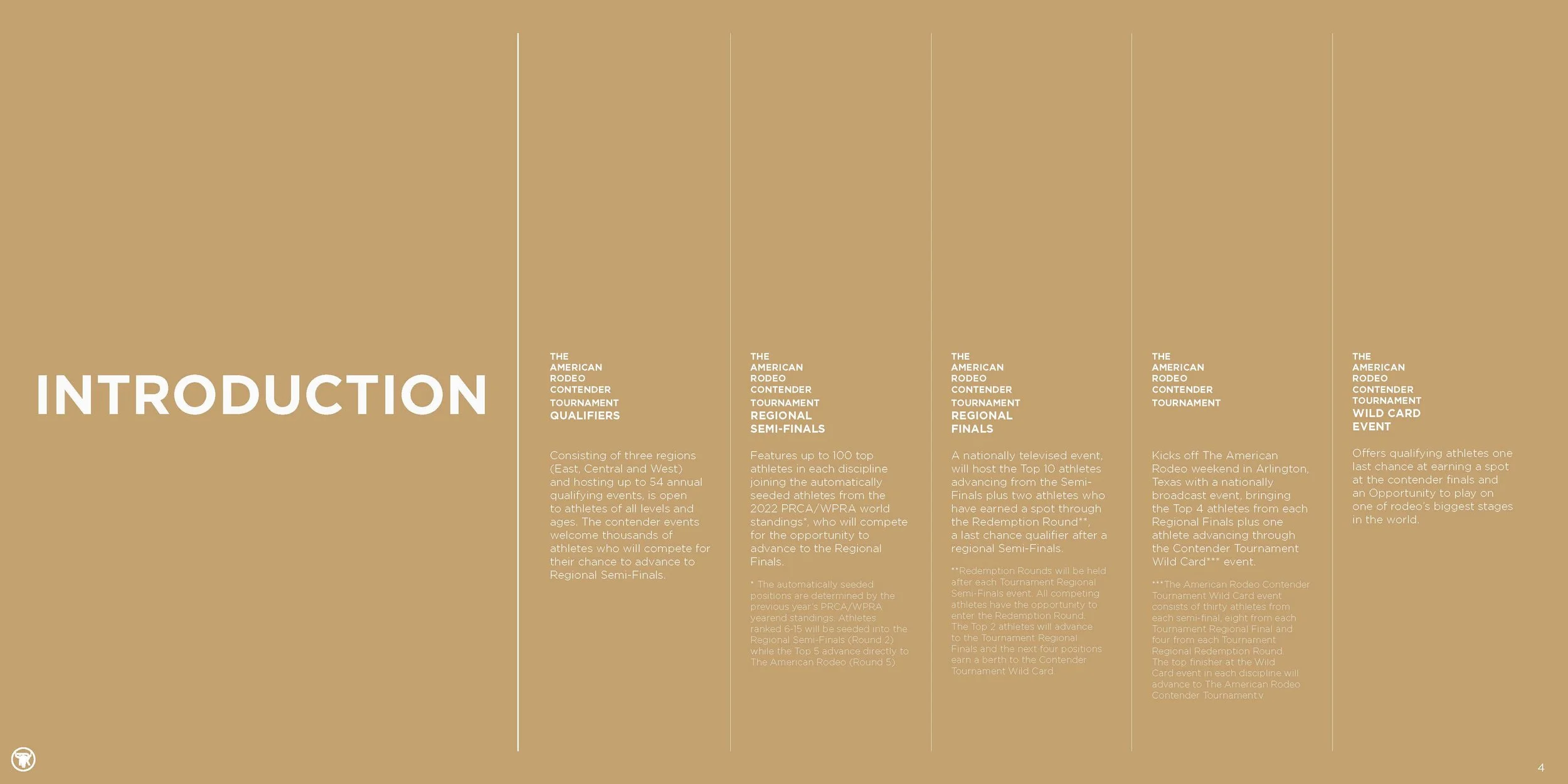
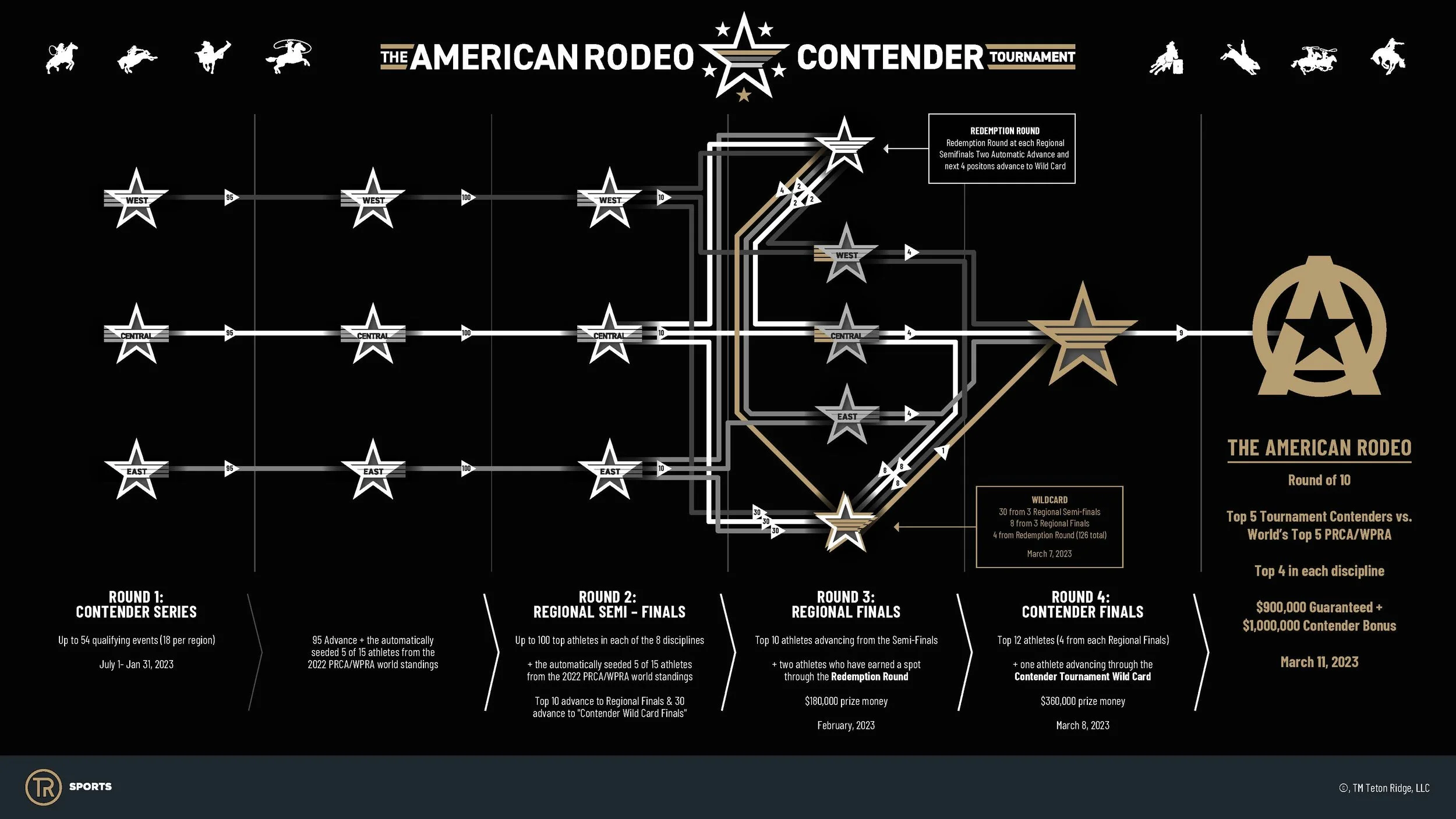
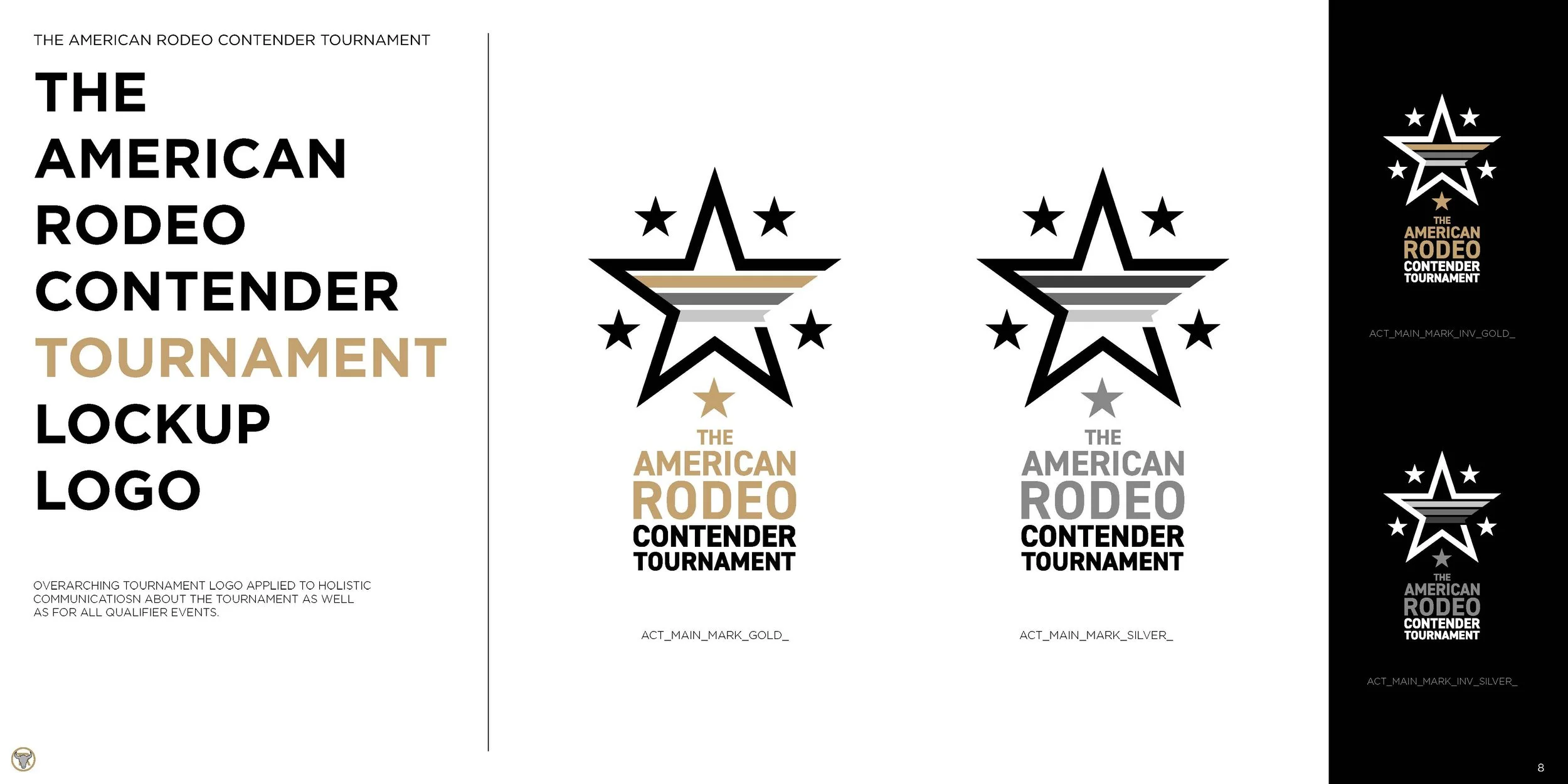
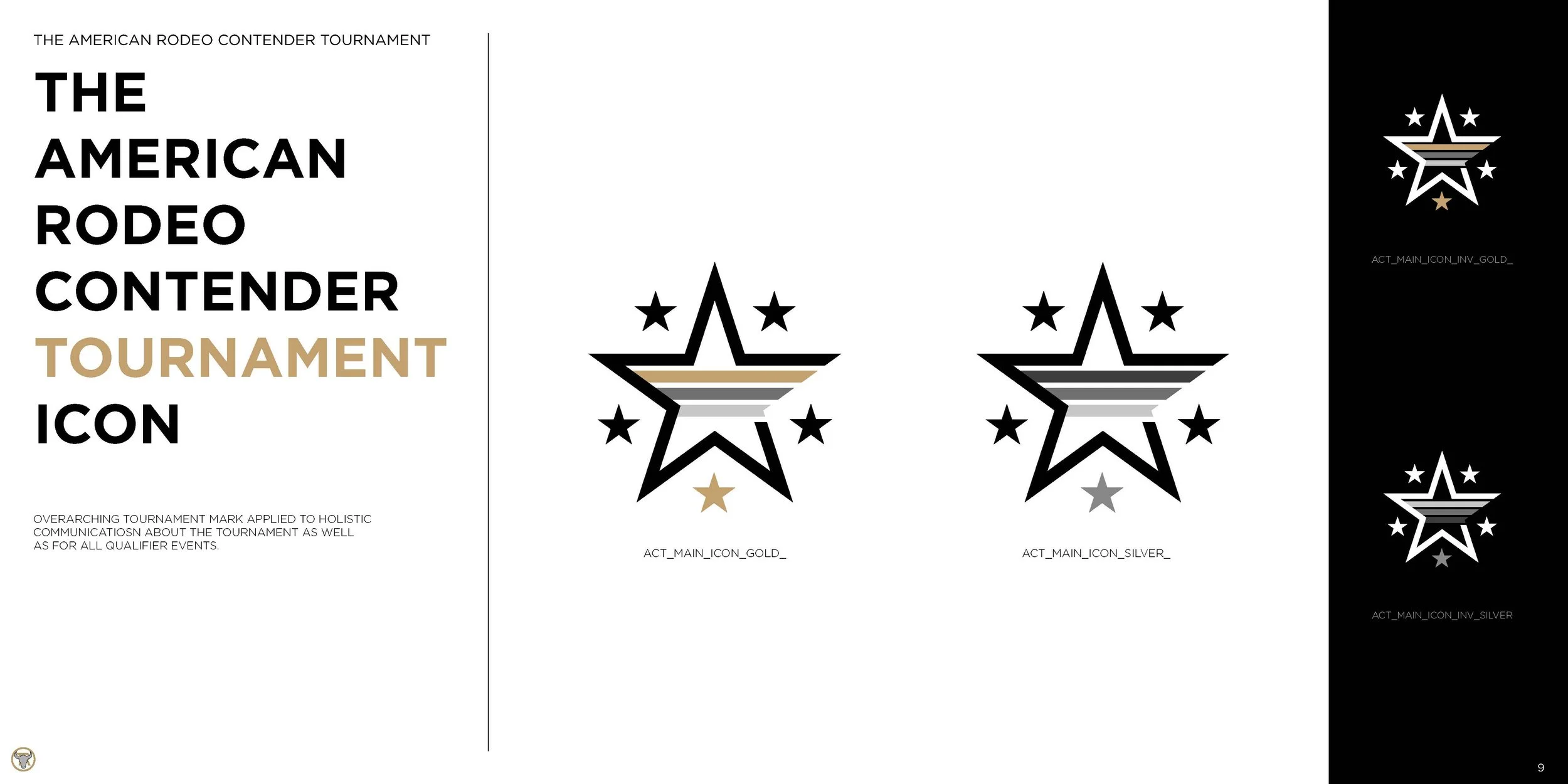
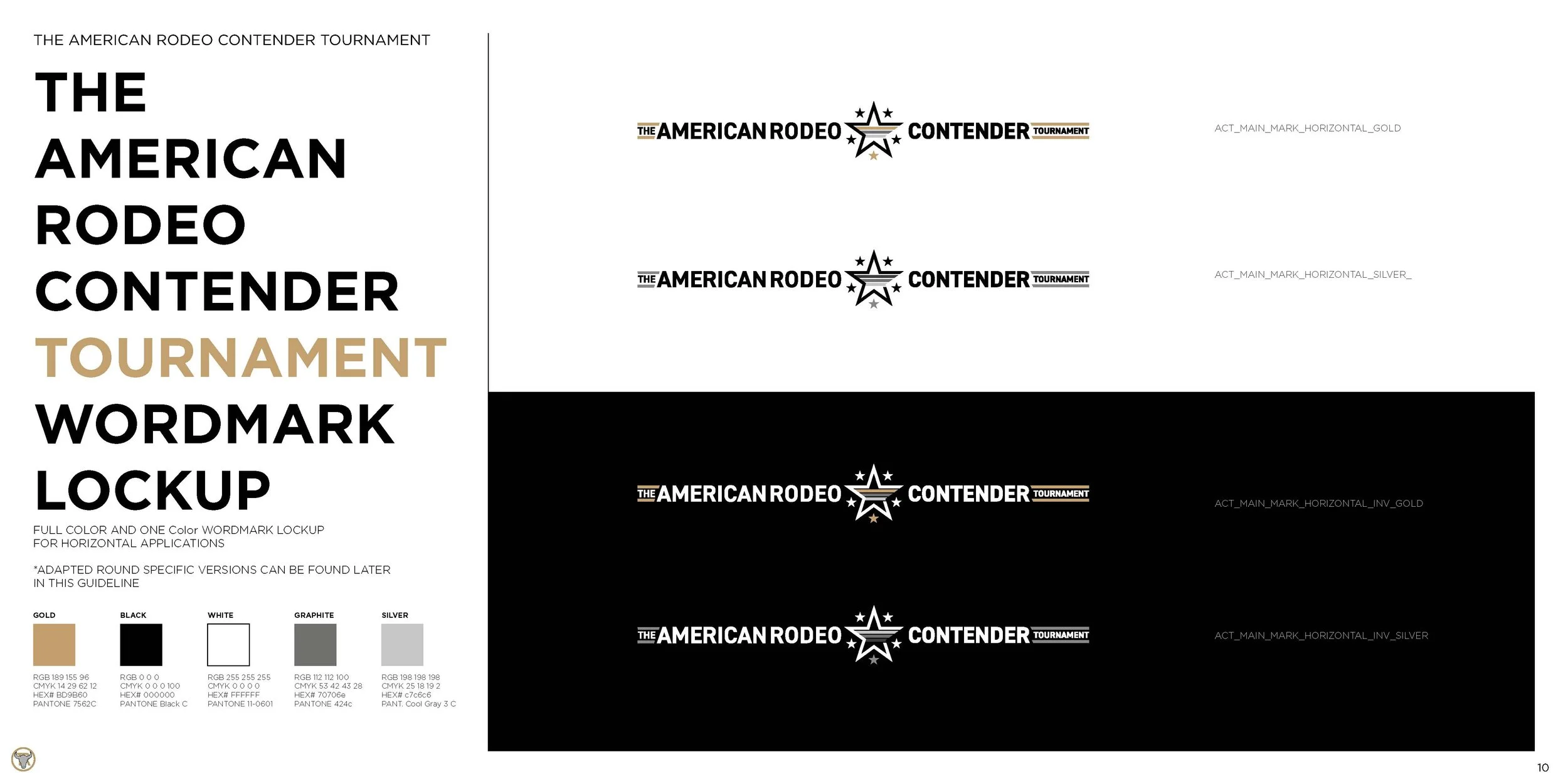
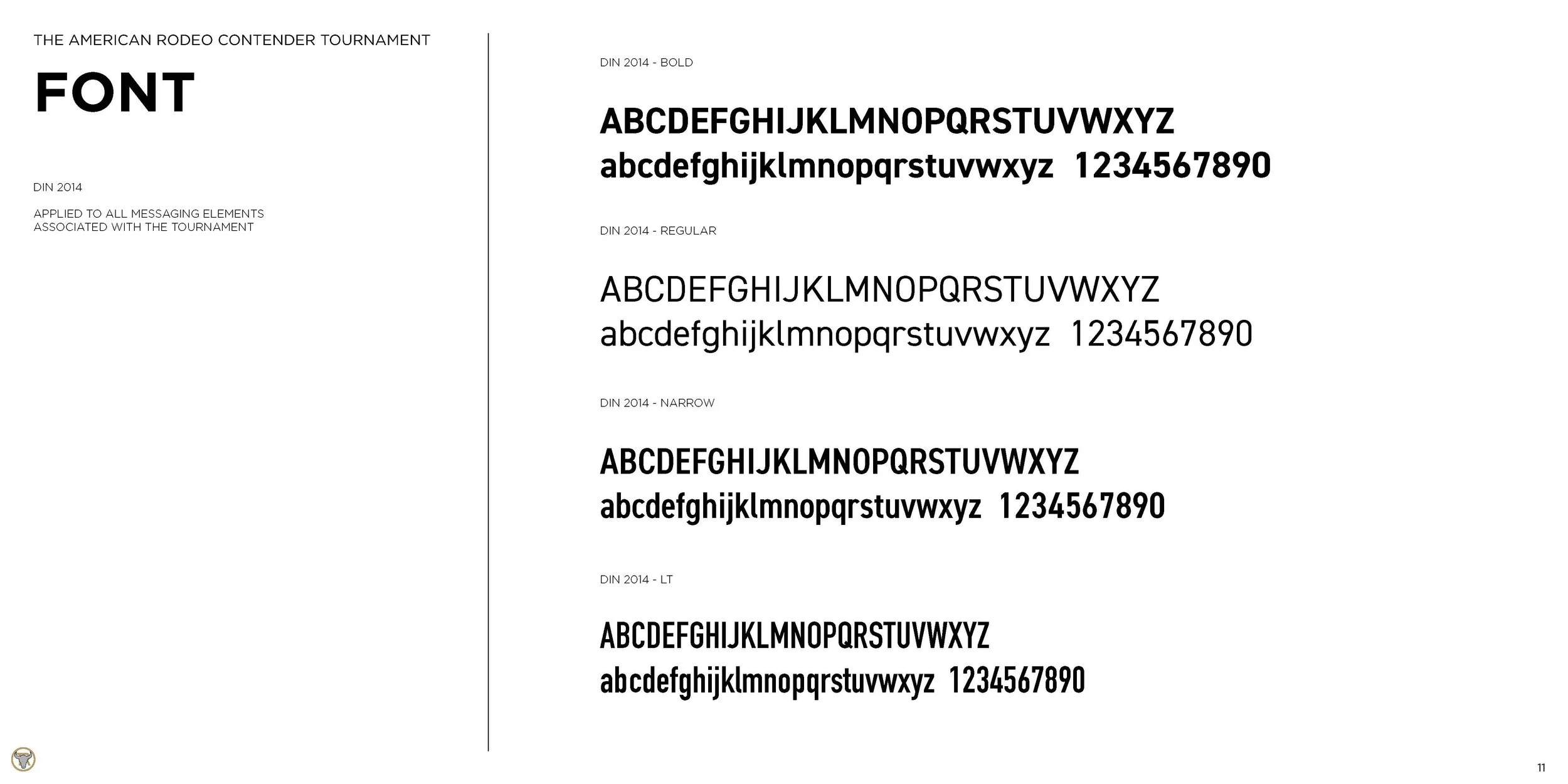
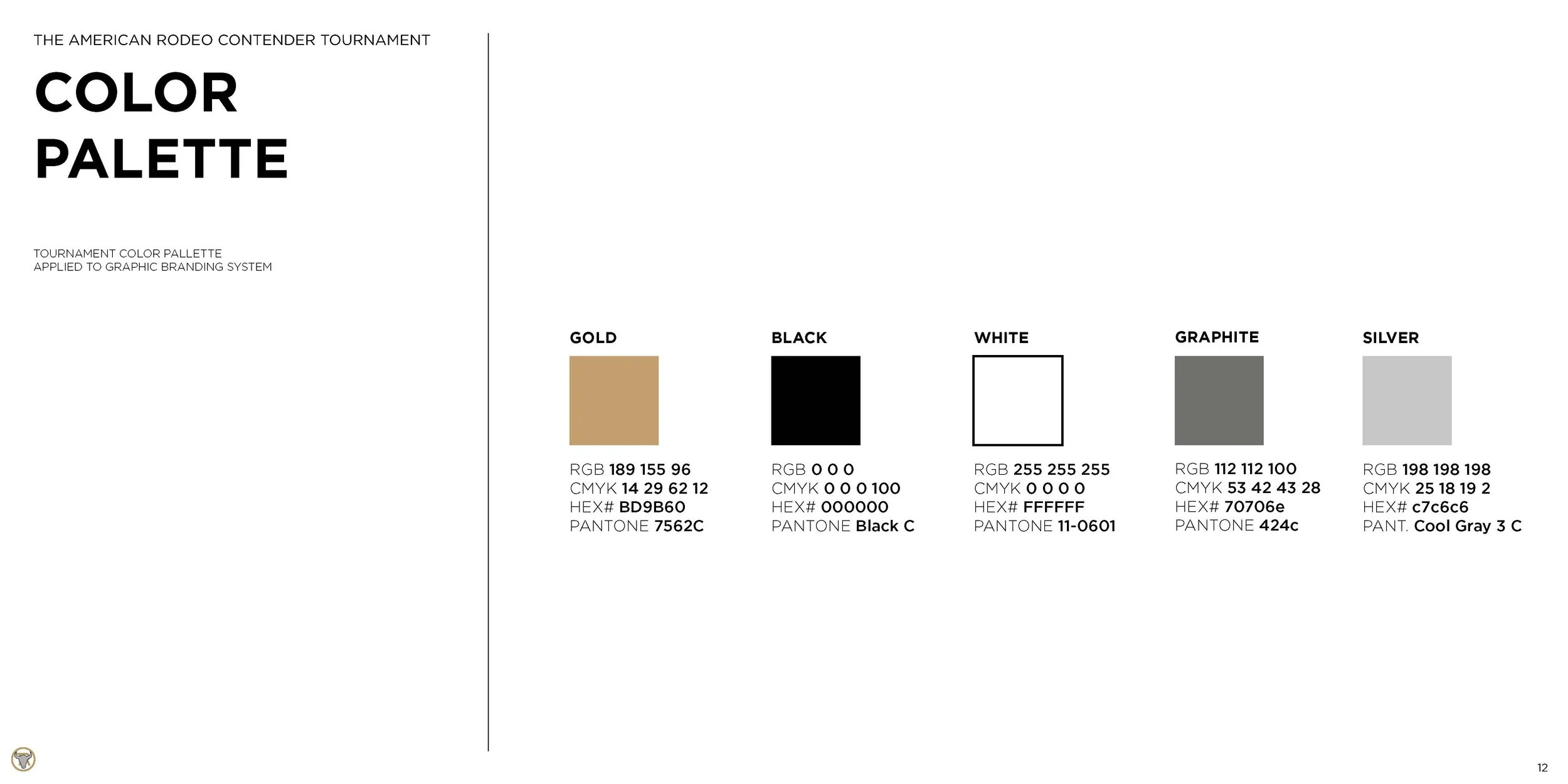
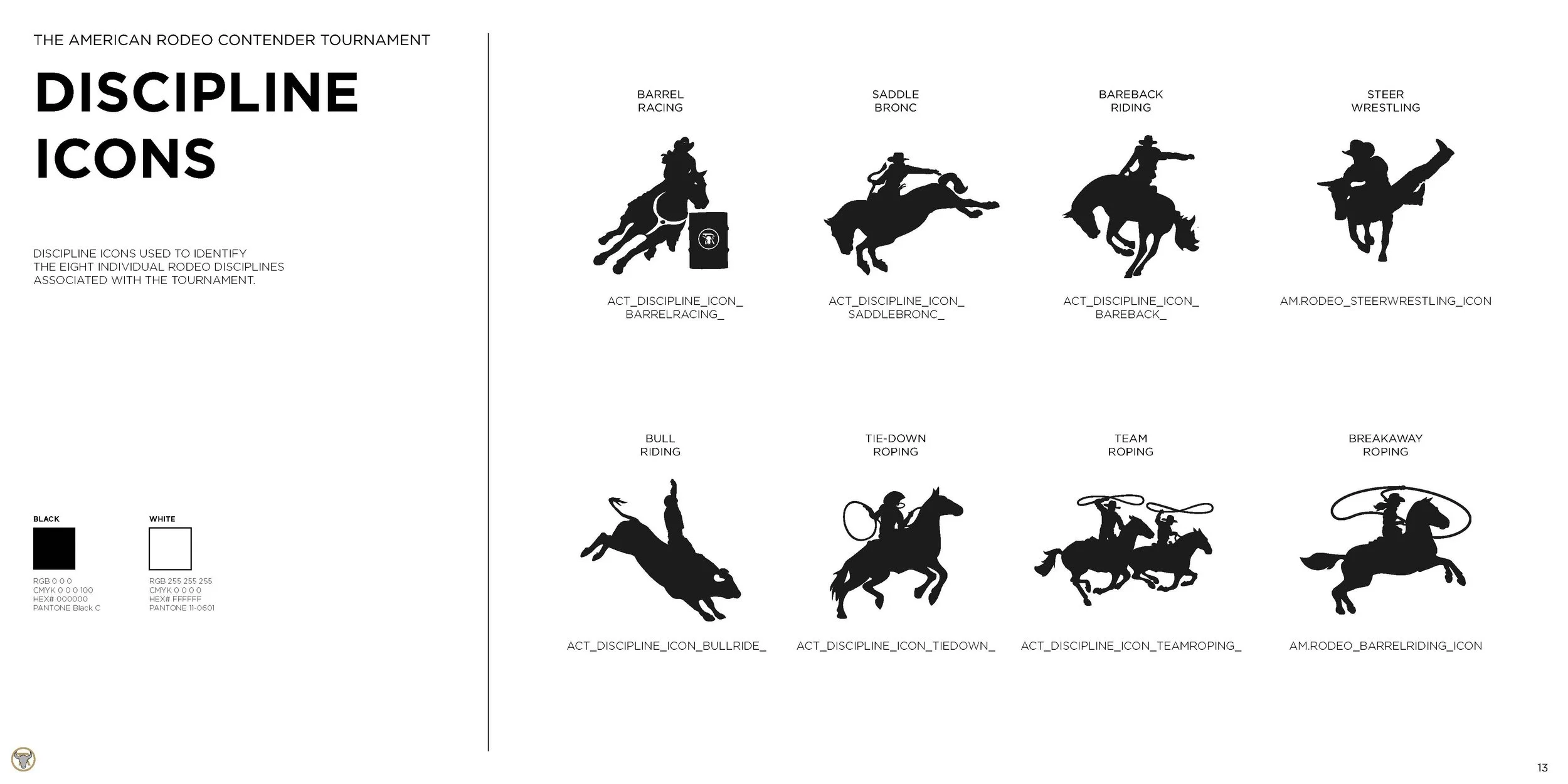
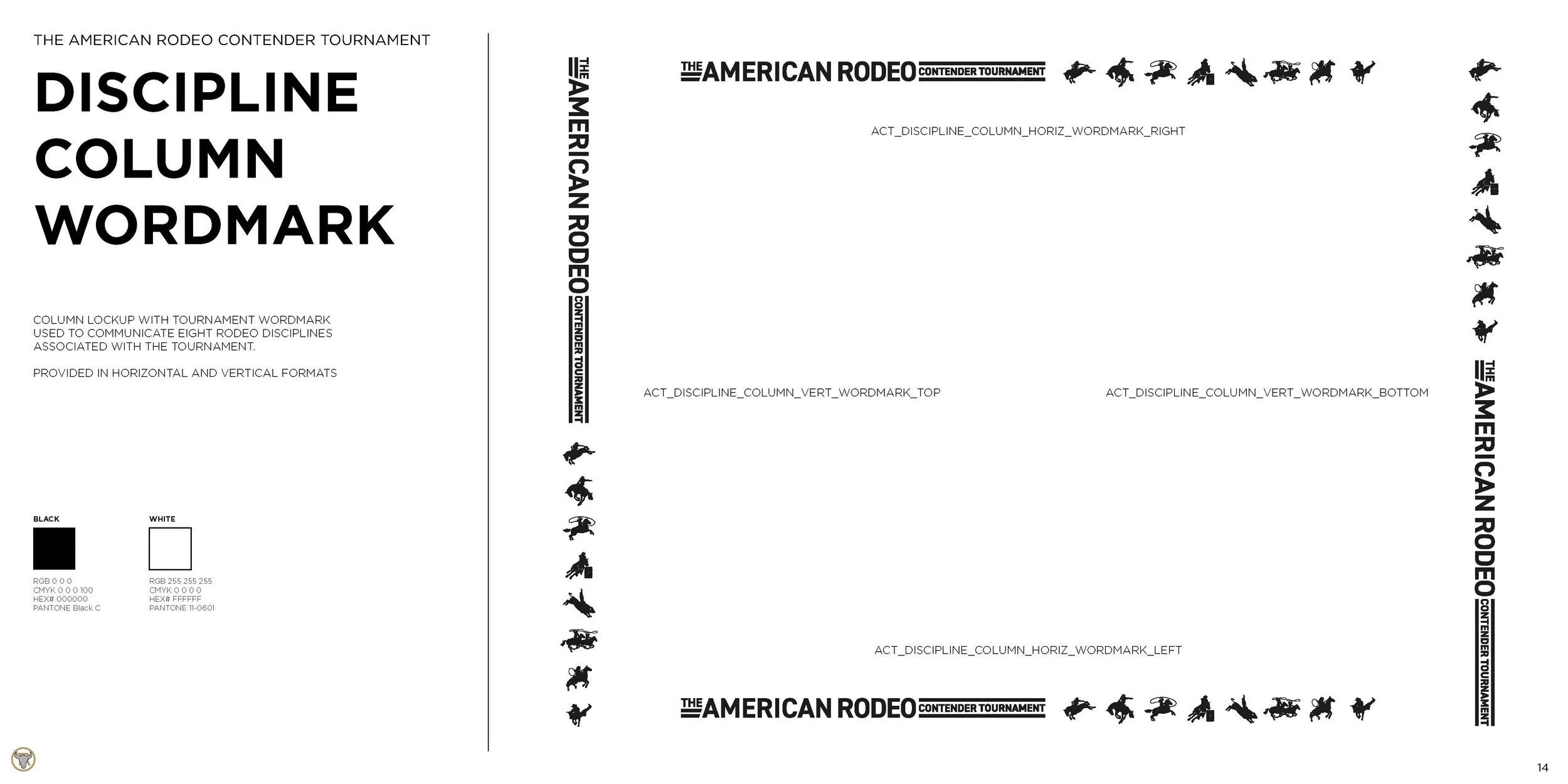
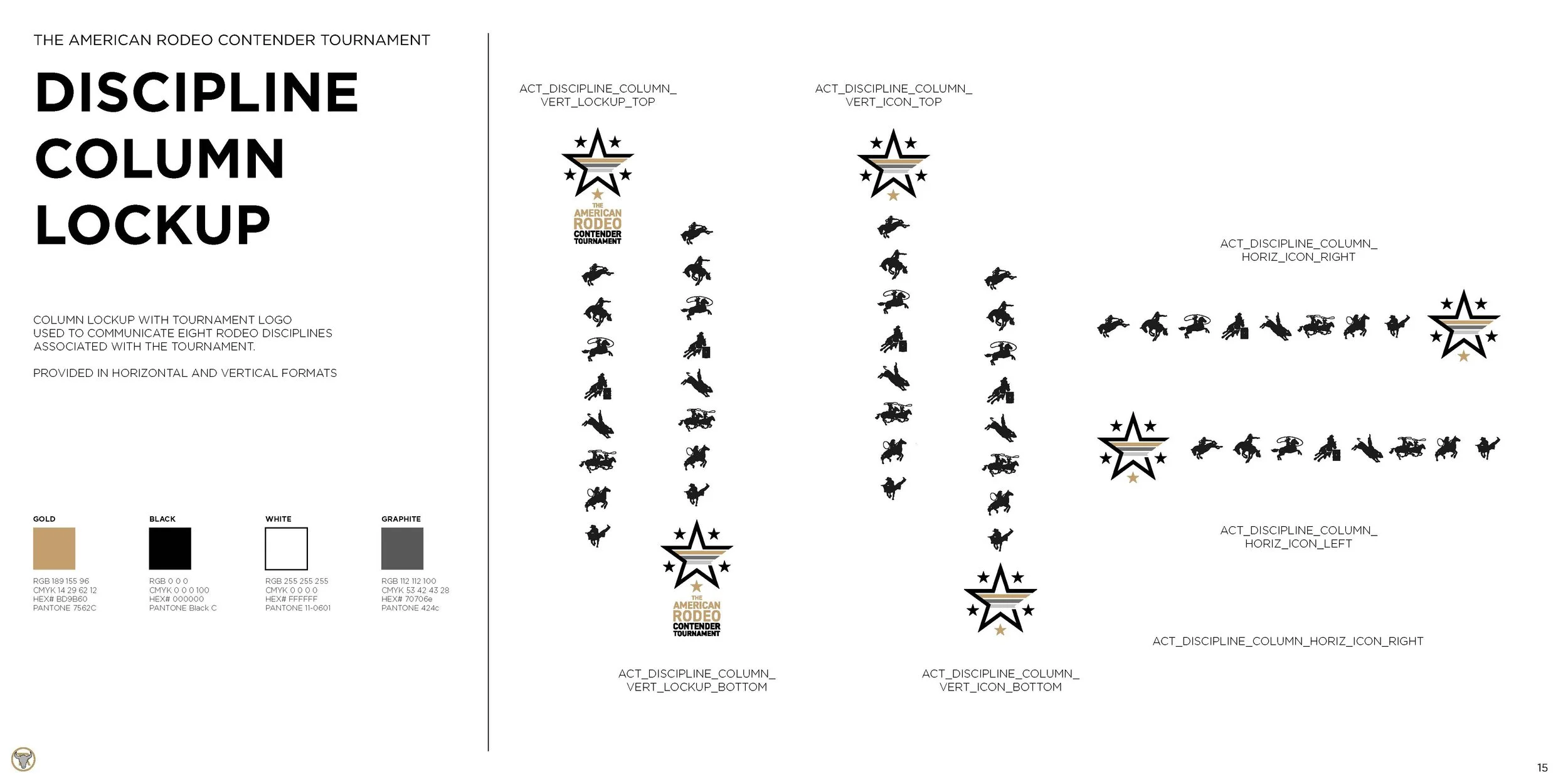
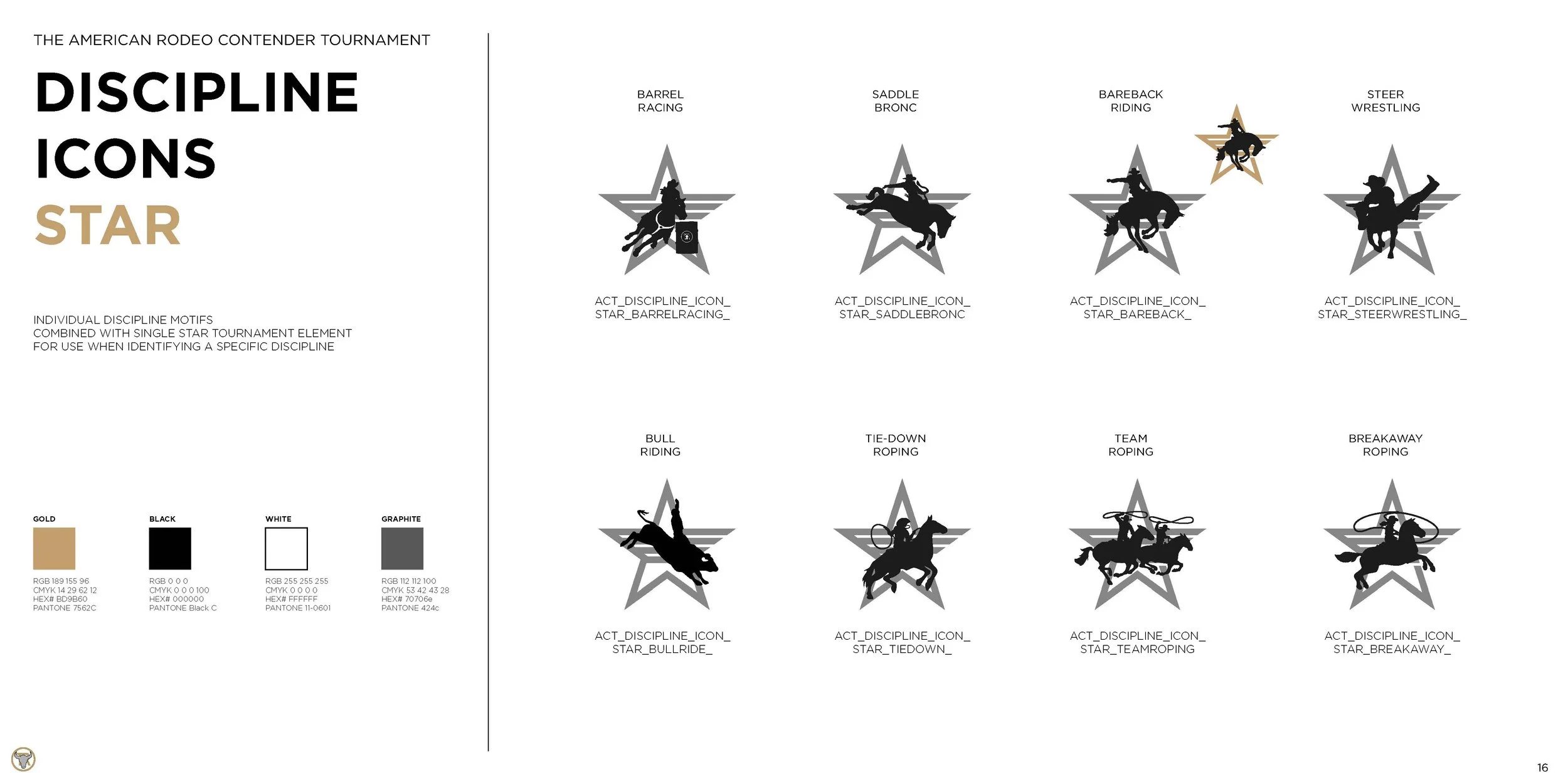
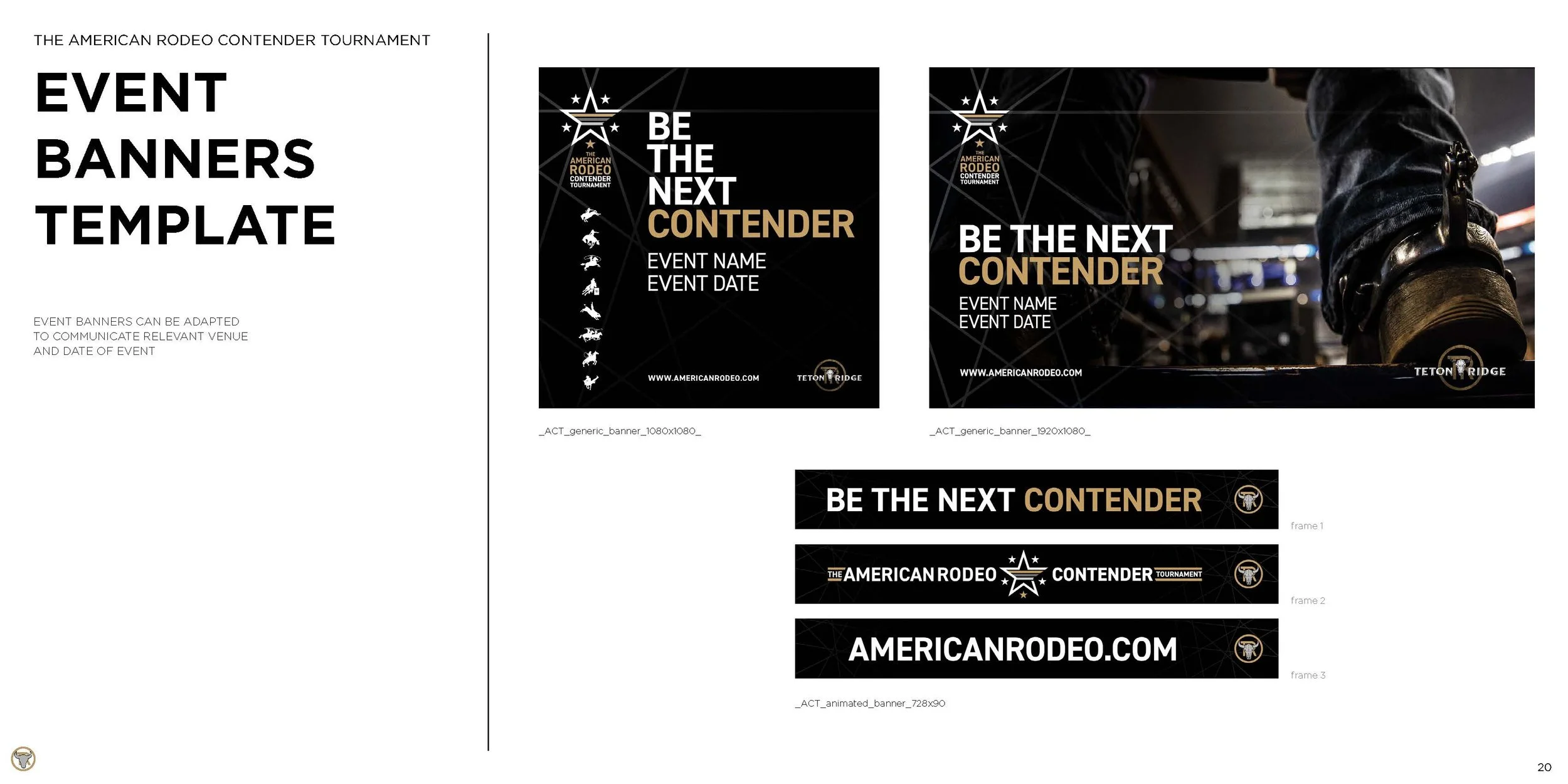
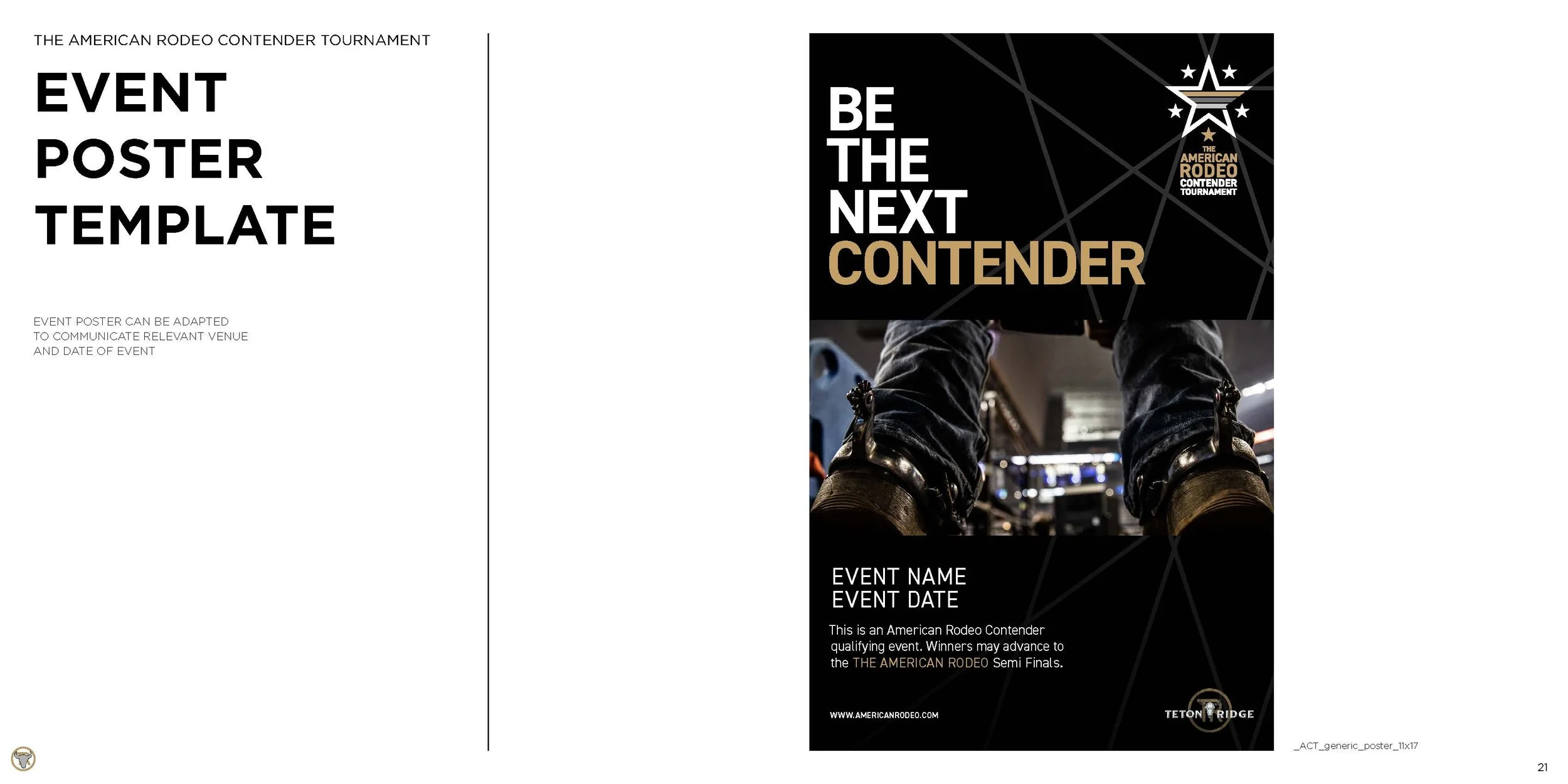
A Layered Identity System
Rather than creating a single event identity, I developed a flexible, layered branding system that could distinguish
each stage of the competition while maintaining a consistent visual connection to the overall American Rodeo brand.
The system was designed to work across regional qualifiers, knockout competitions and the Finals,
creating a recognisable identity throughout the entire tournament journey.
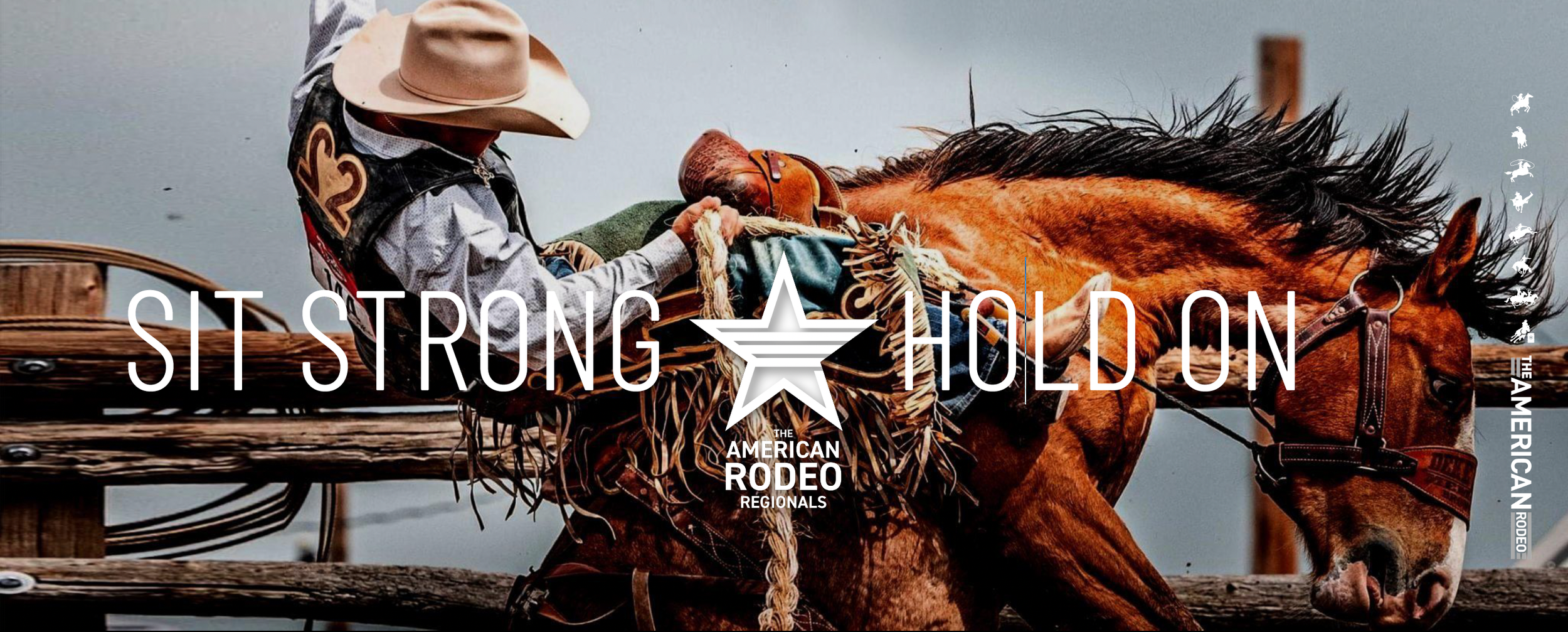
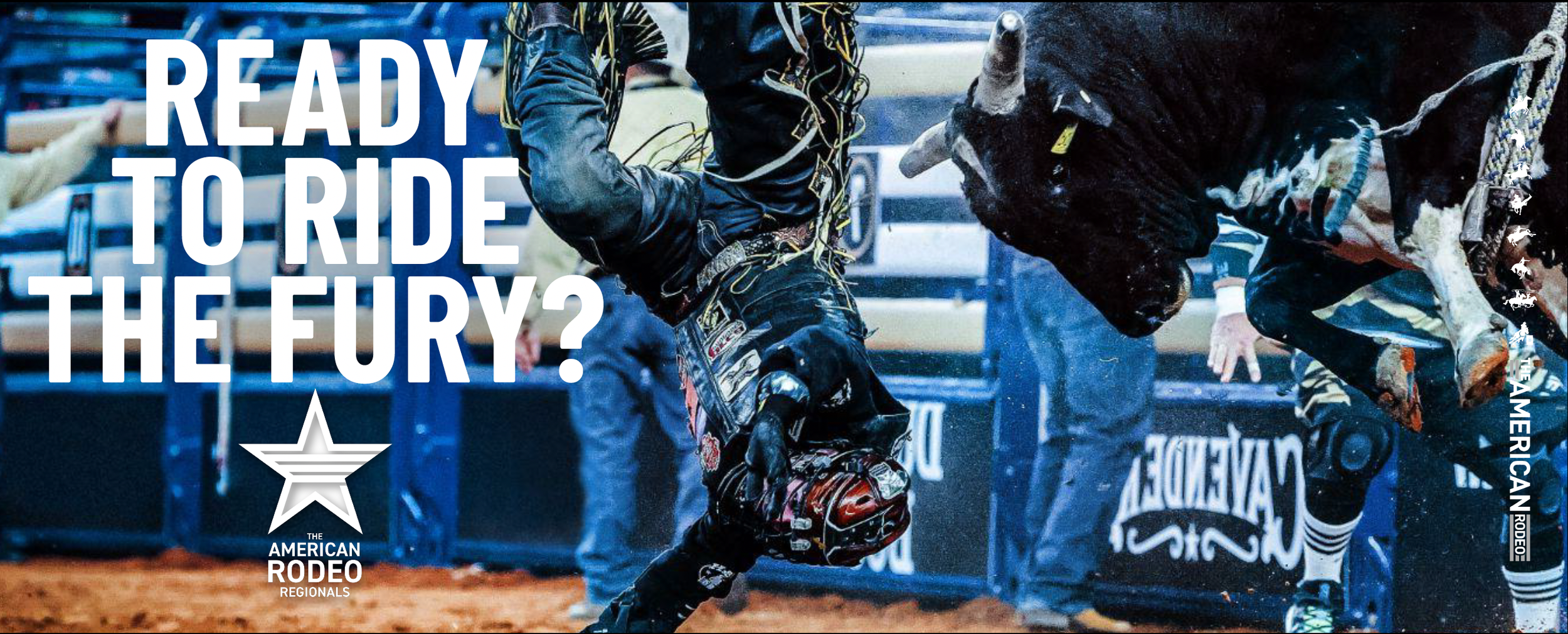
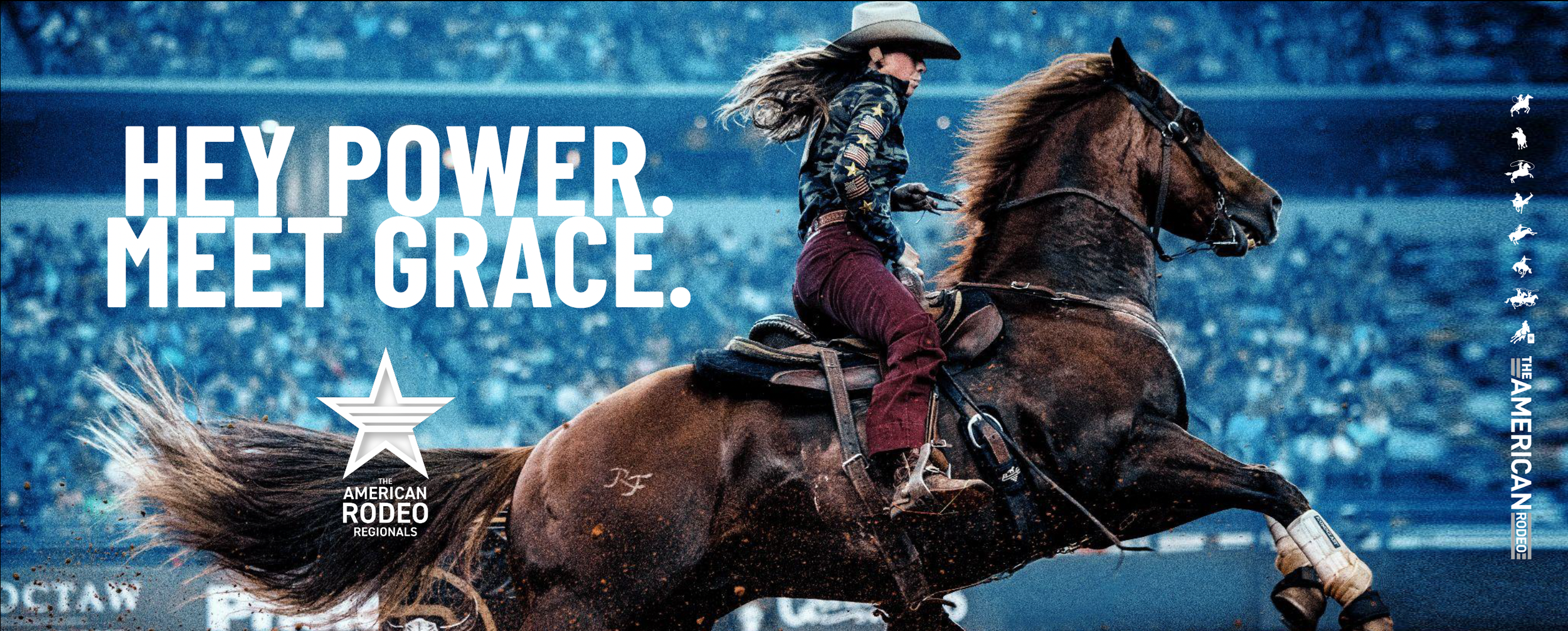
THE ARENA EXPERIENCE
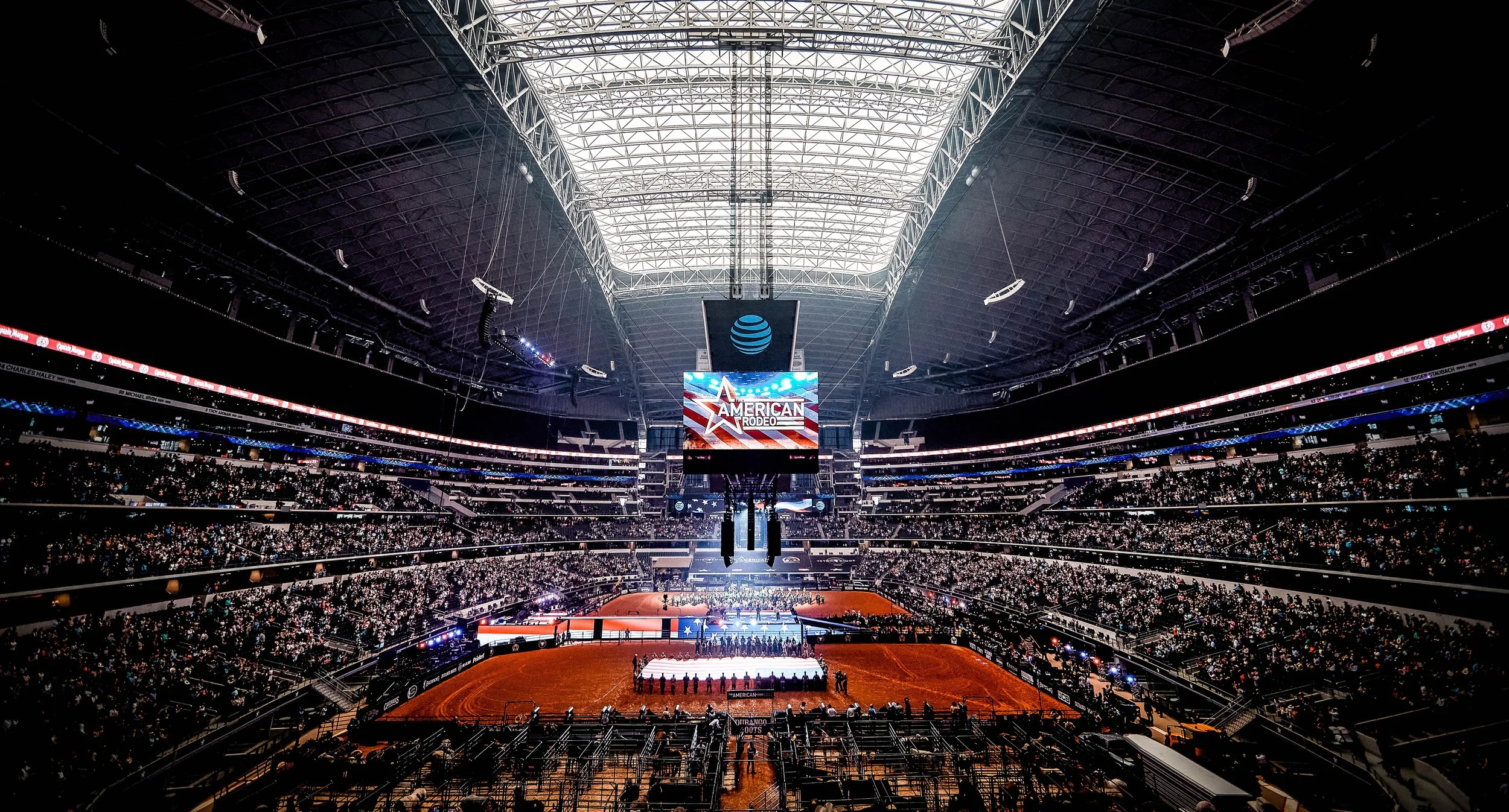
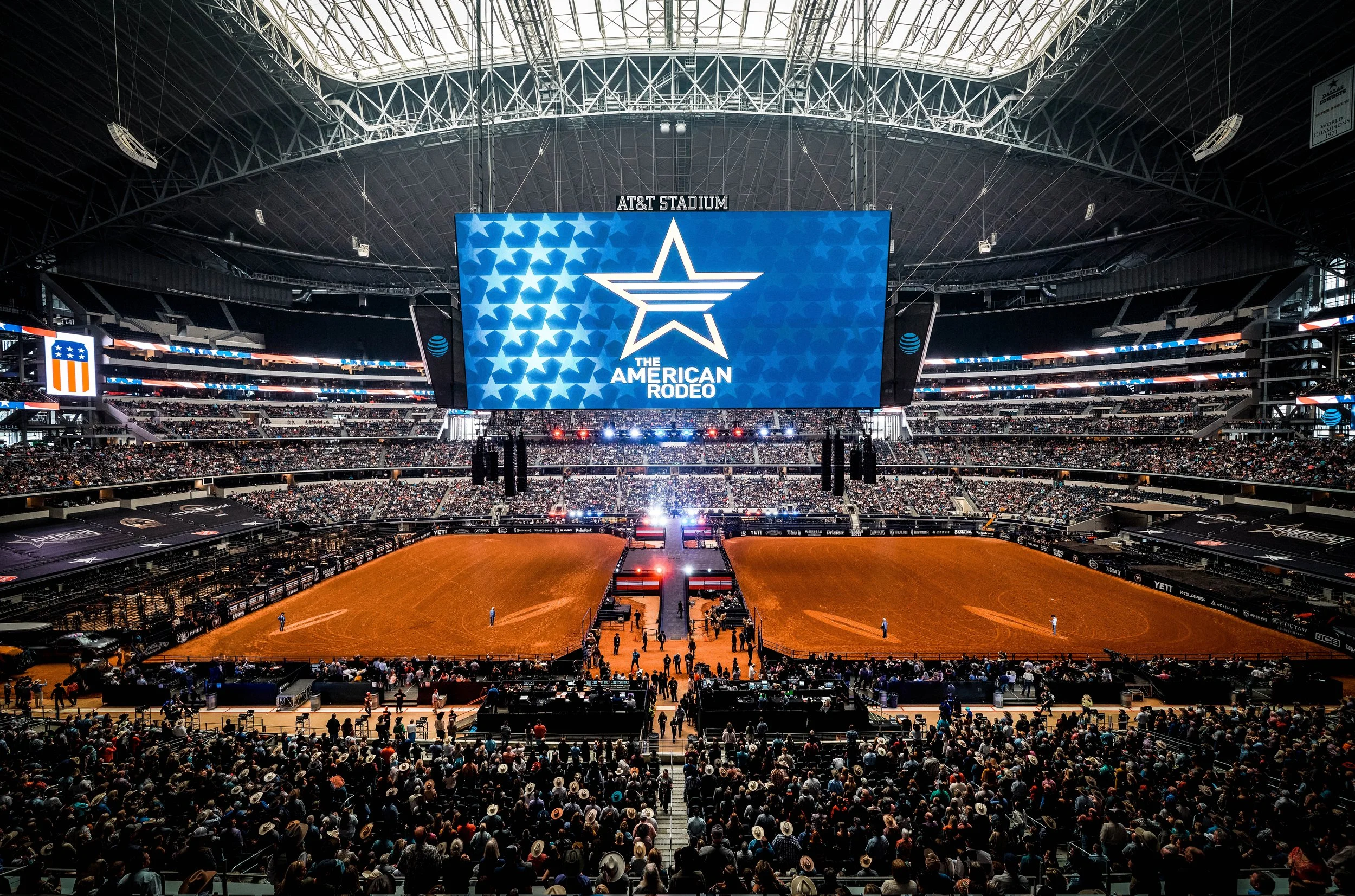
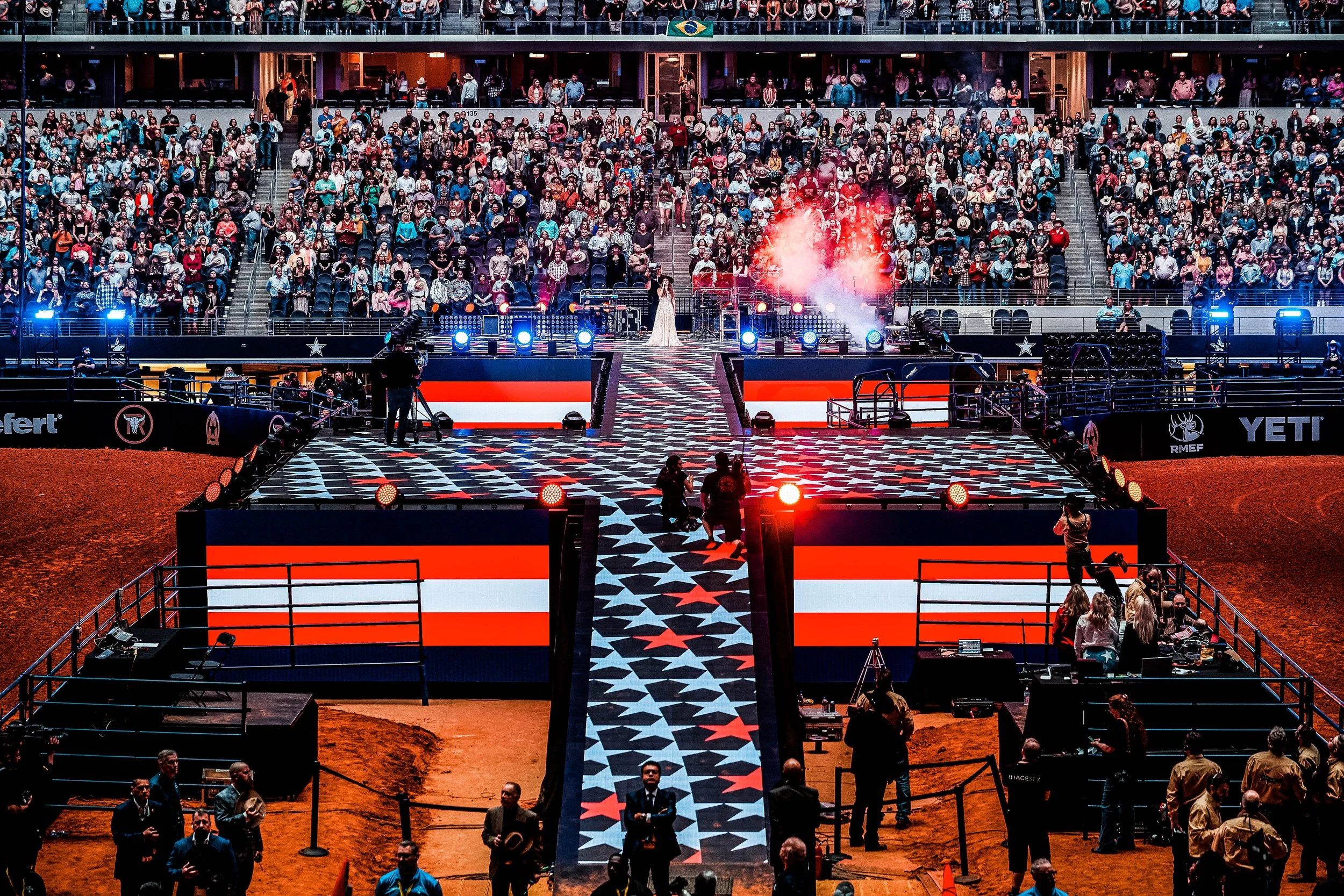
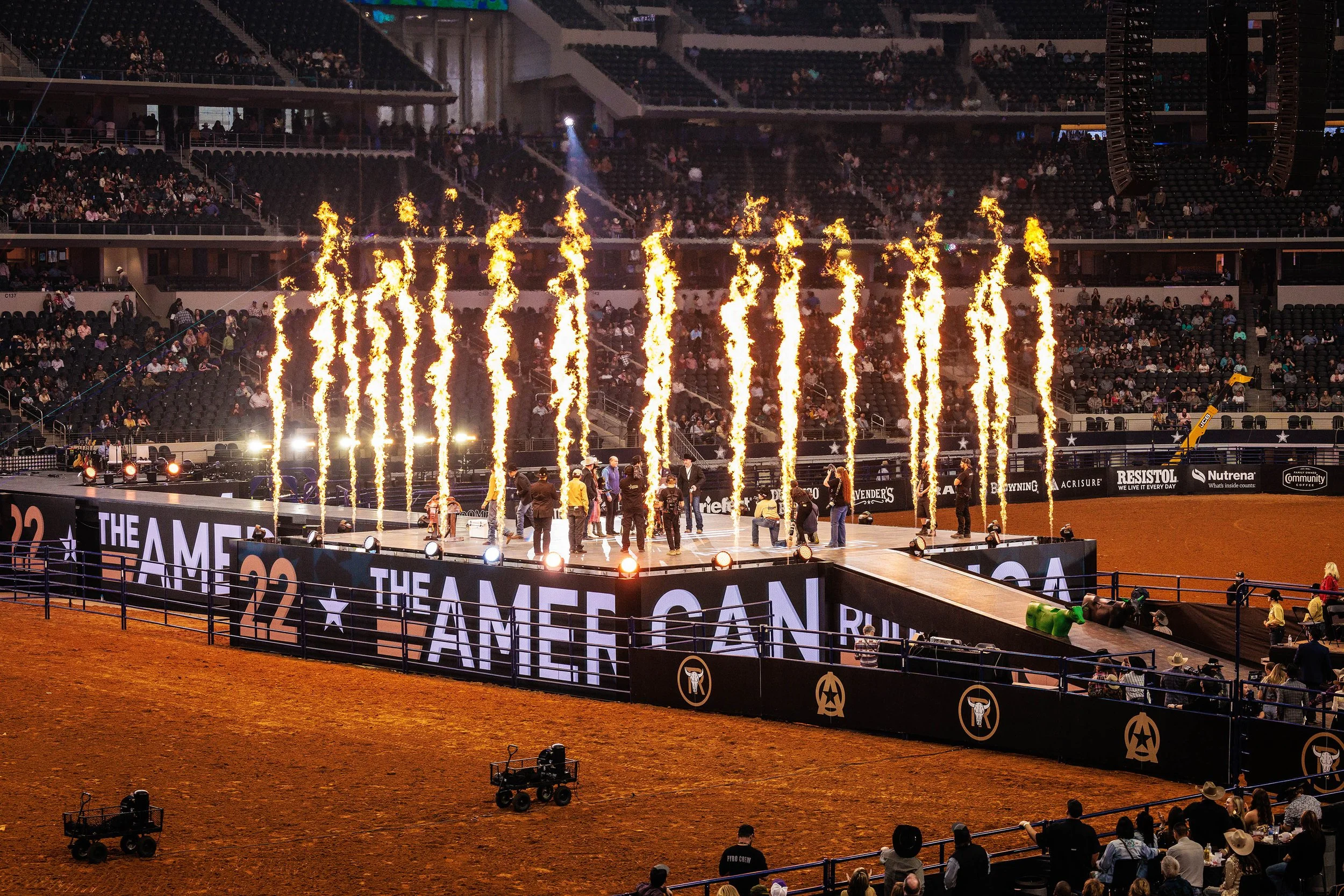
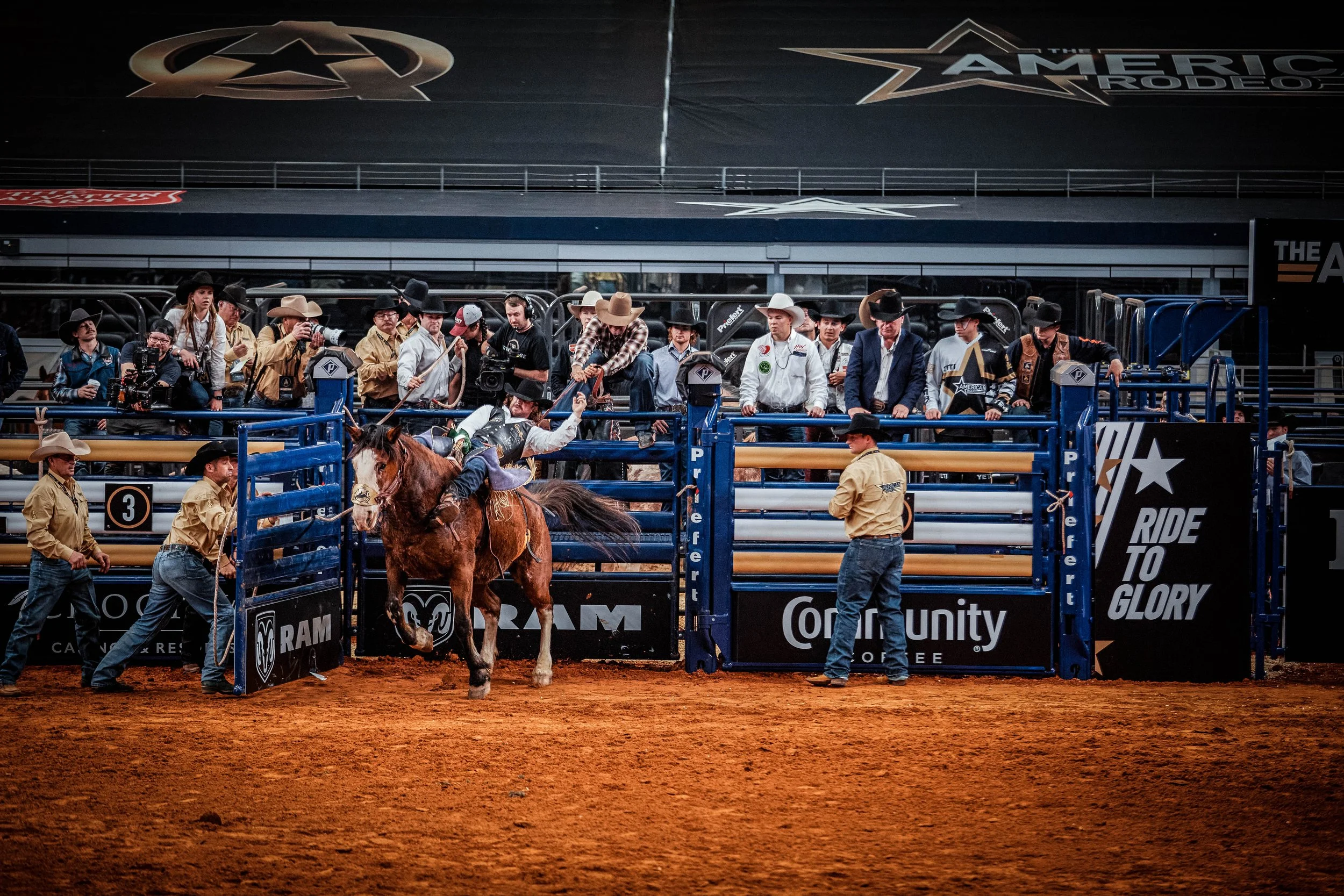
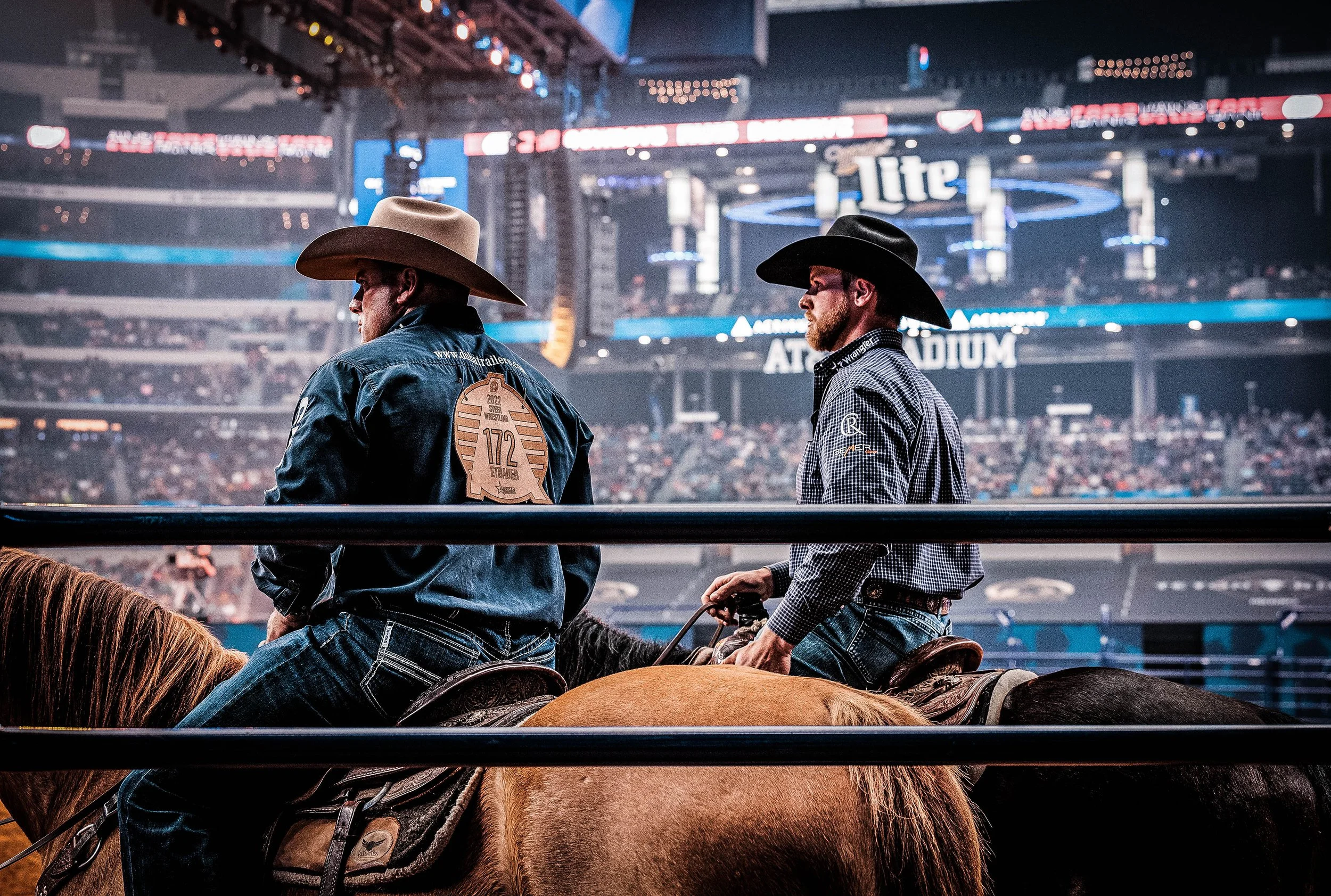
A major part of the project involved translating the identity into the live event environment.
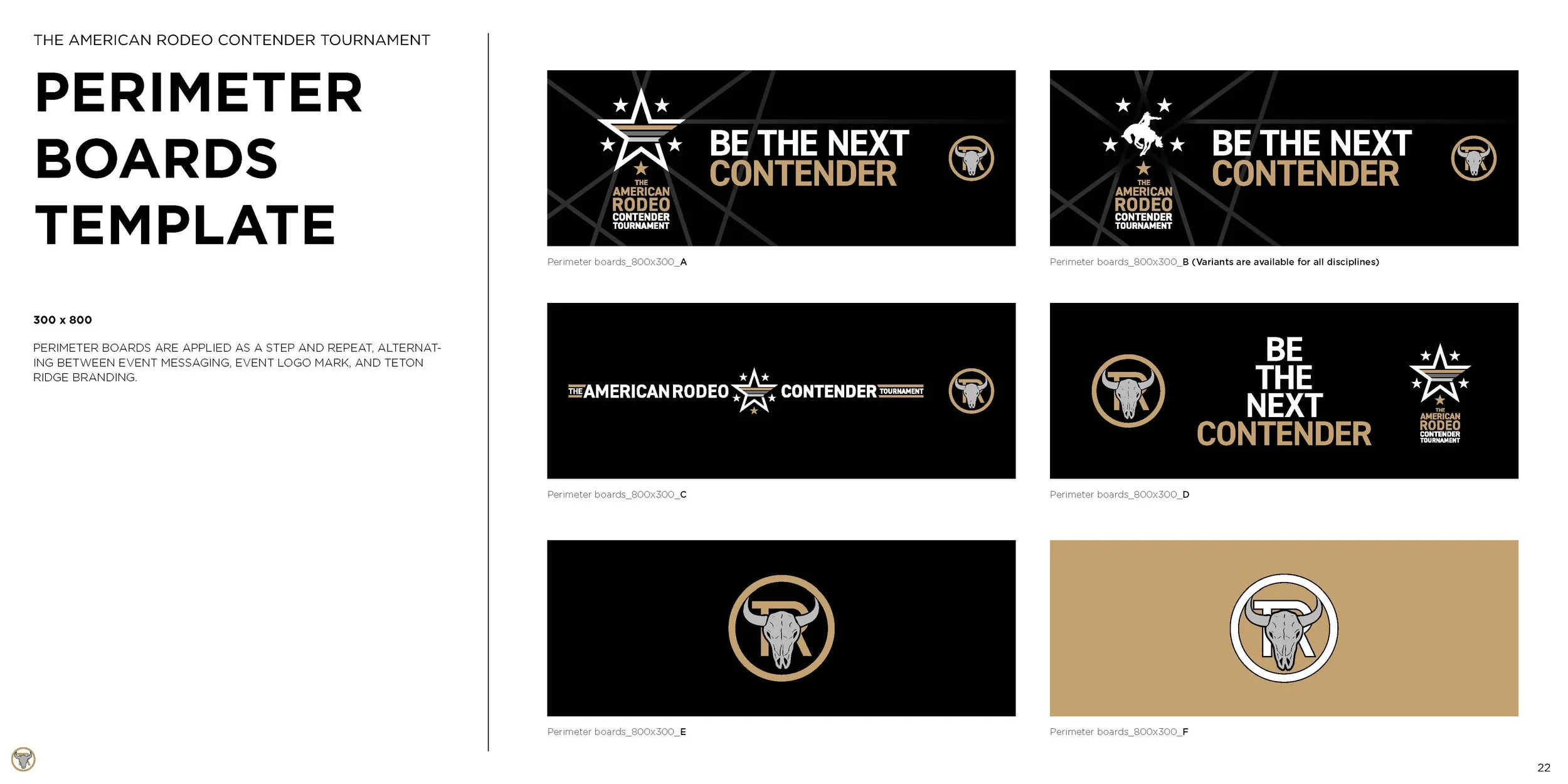
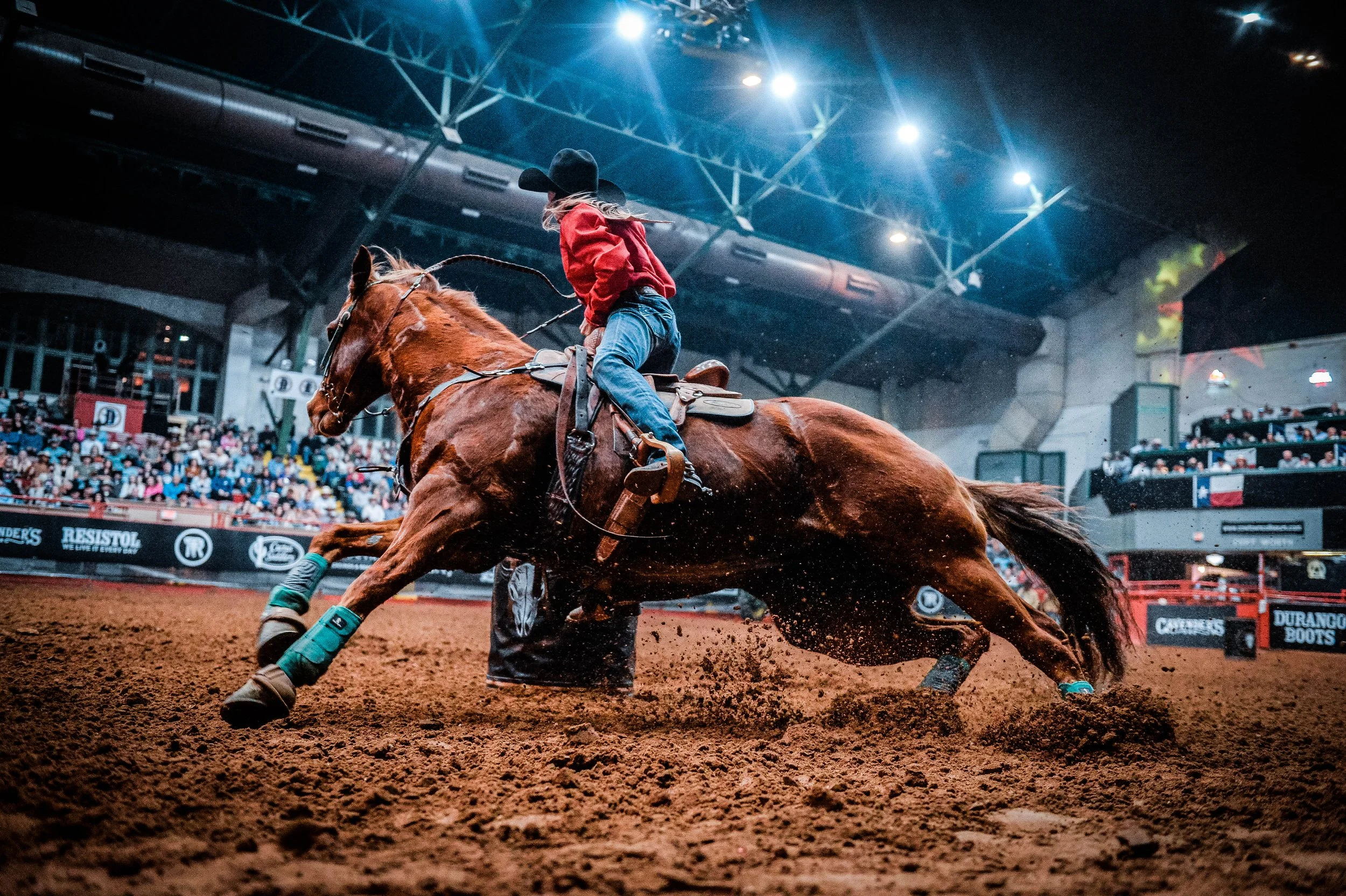
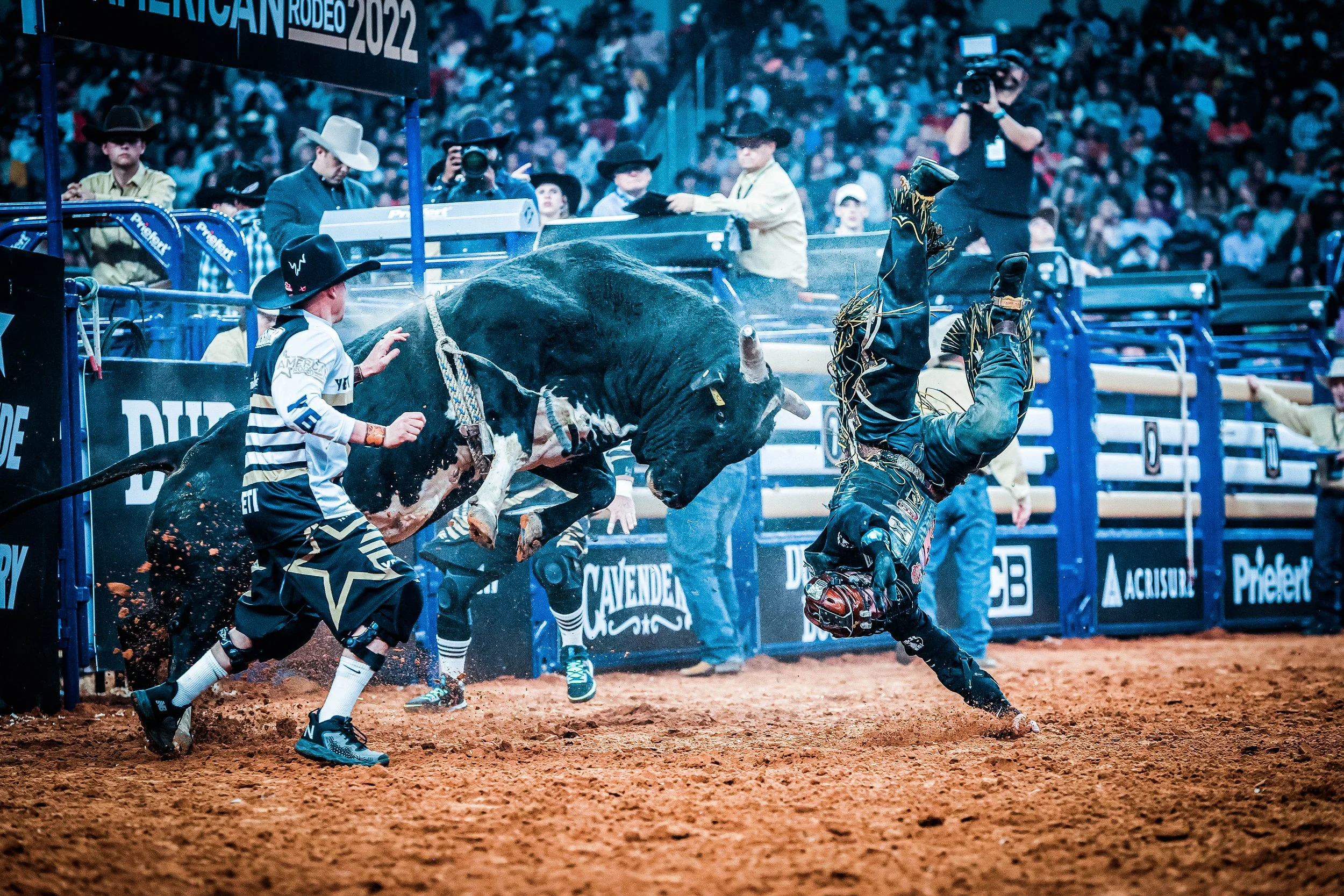
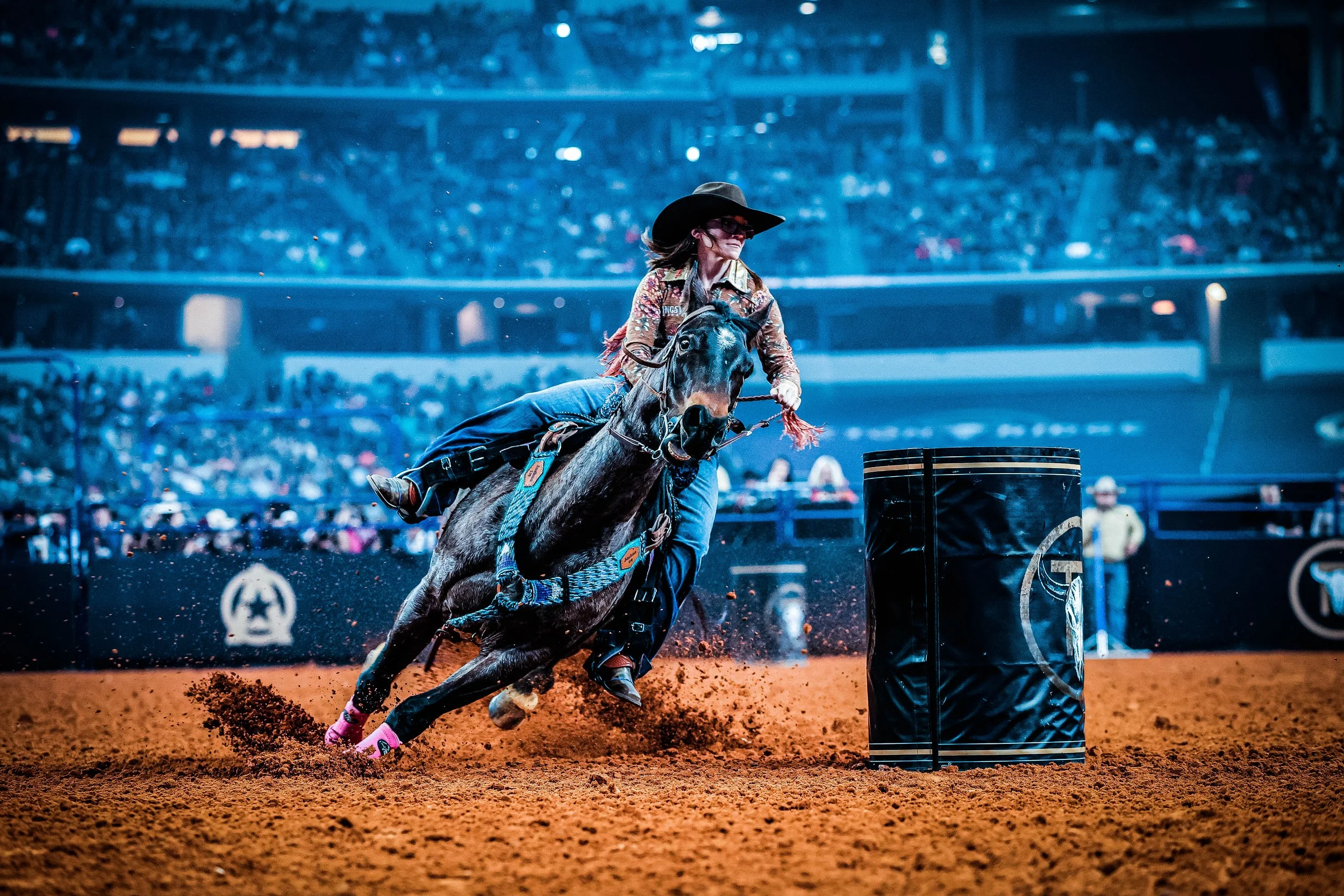
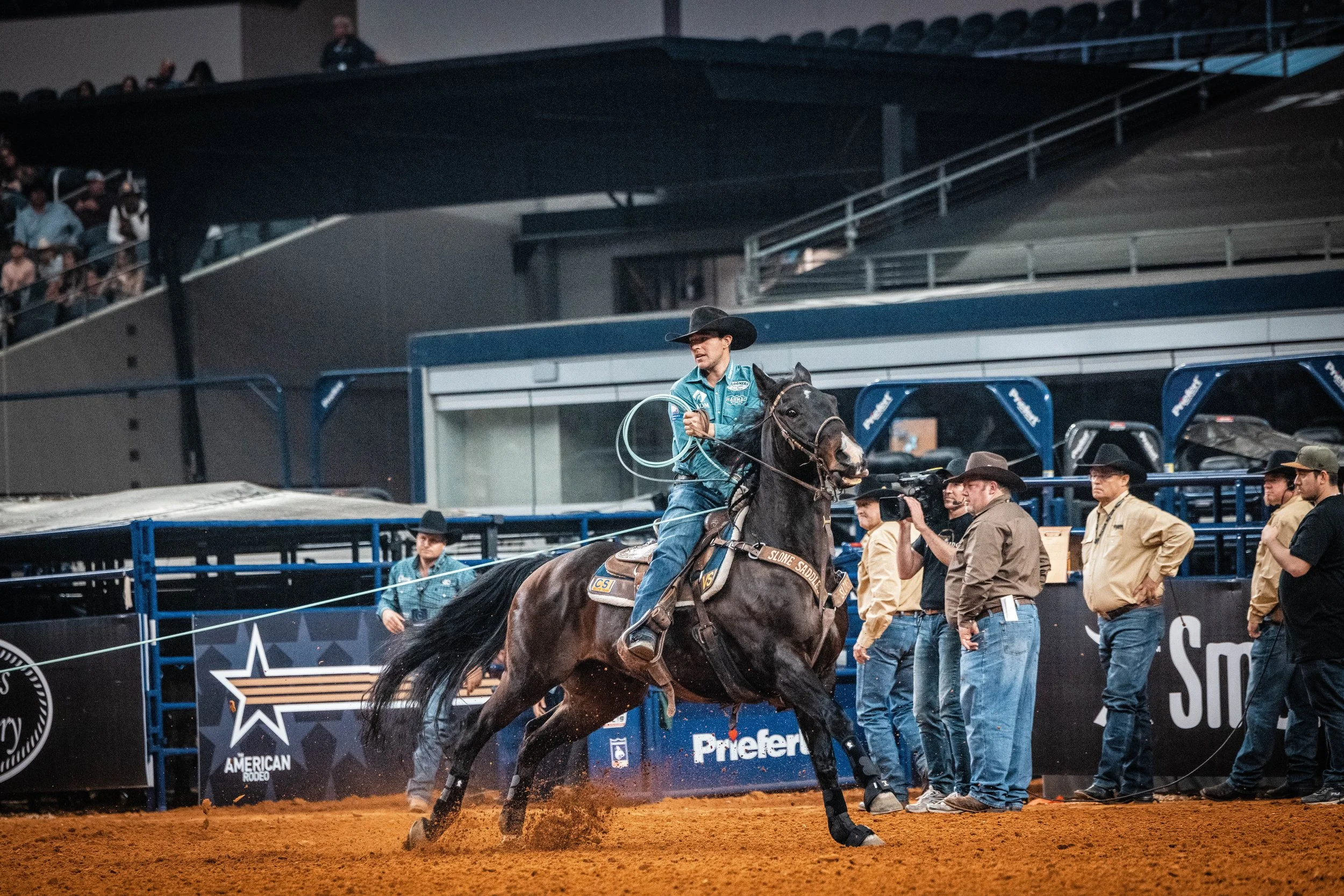
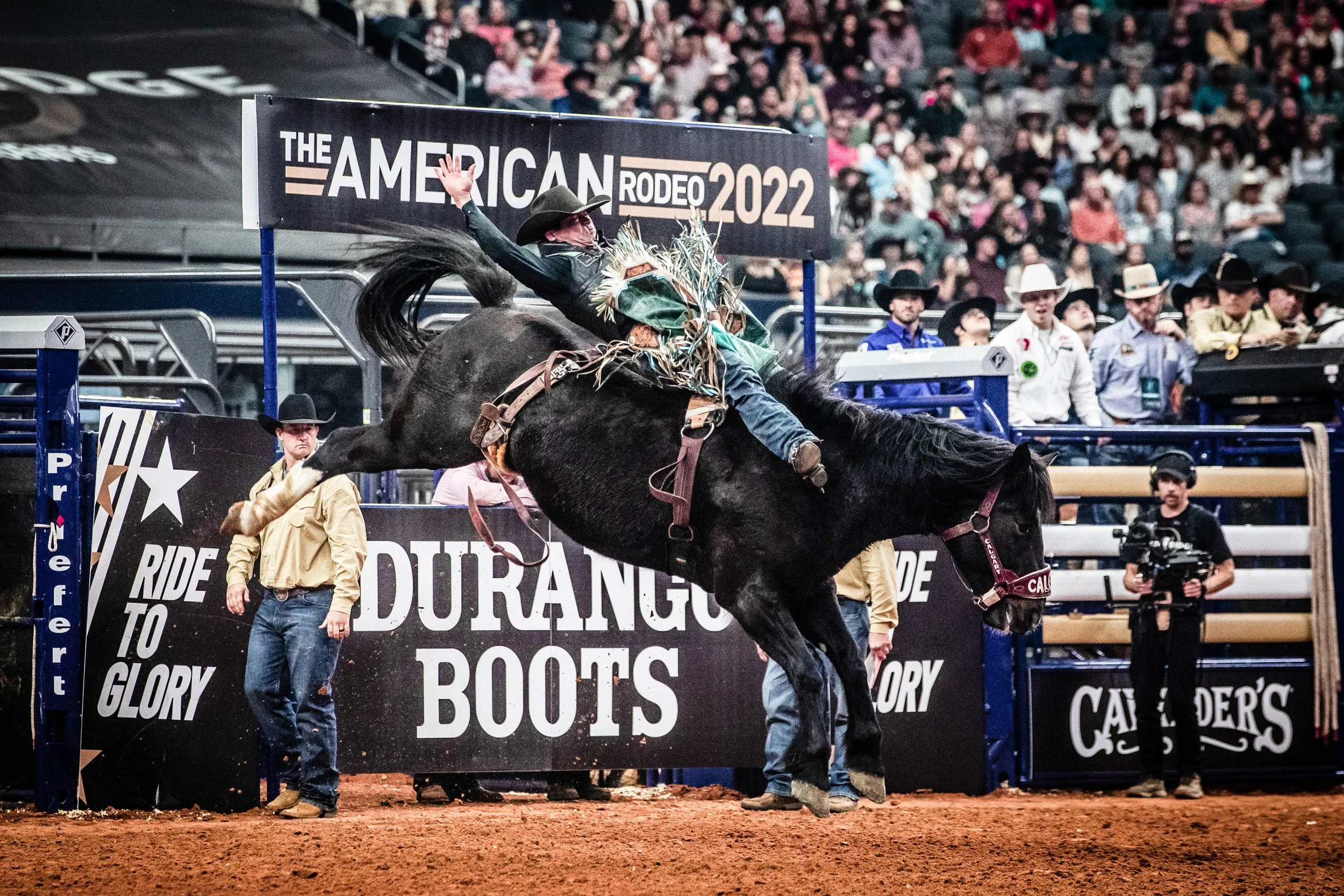
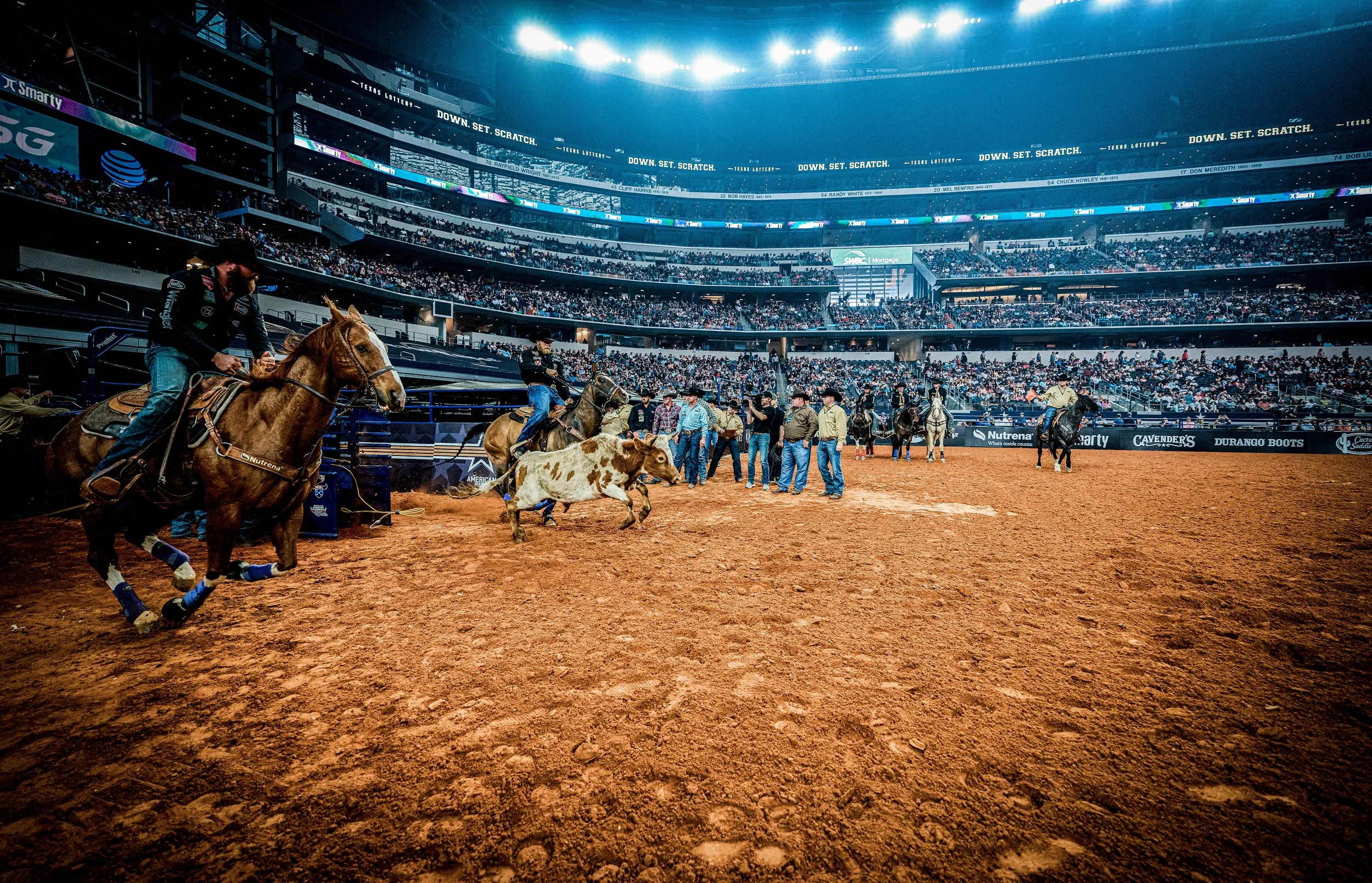
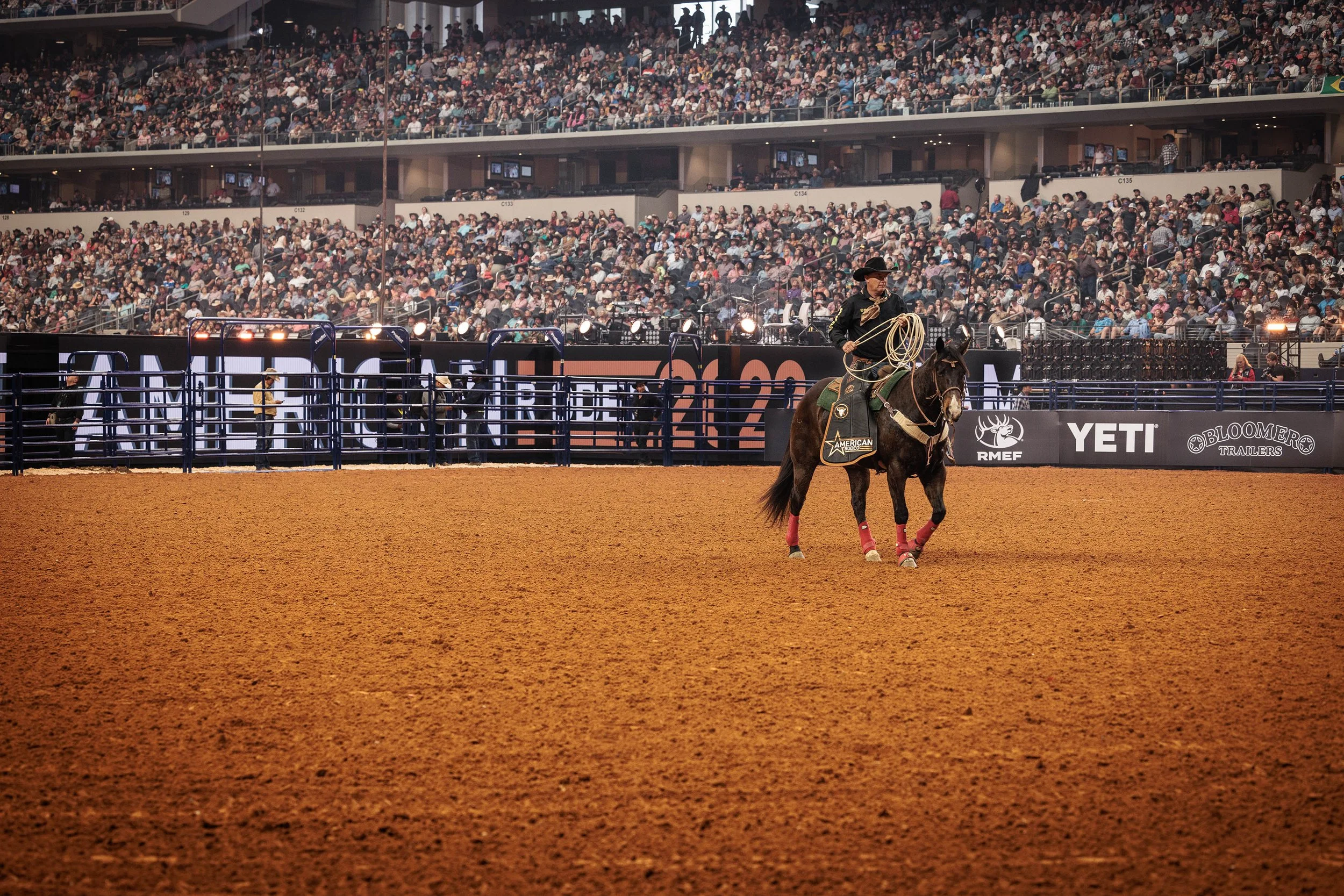
I developed a comprehensive suite of arena and stadium graphics, including arena boards, stadium tier boards, large-format displays, screen graphics and broadcast titles.
Every element was designed to work together, transforming the visual identity into an immersive event experience for both the live audience and viewers watching remotely.
BEYOND THE ARENA
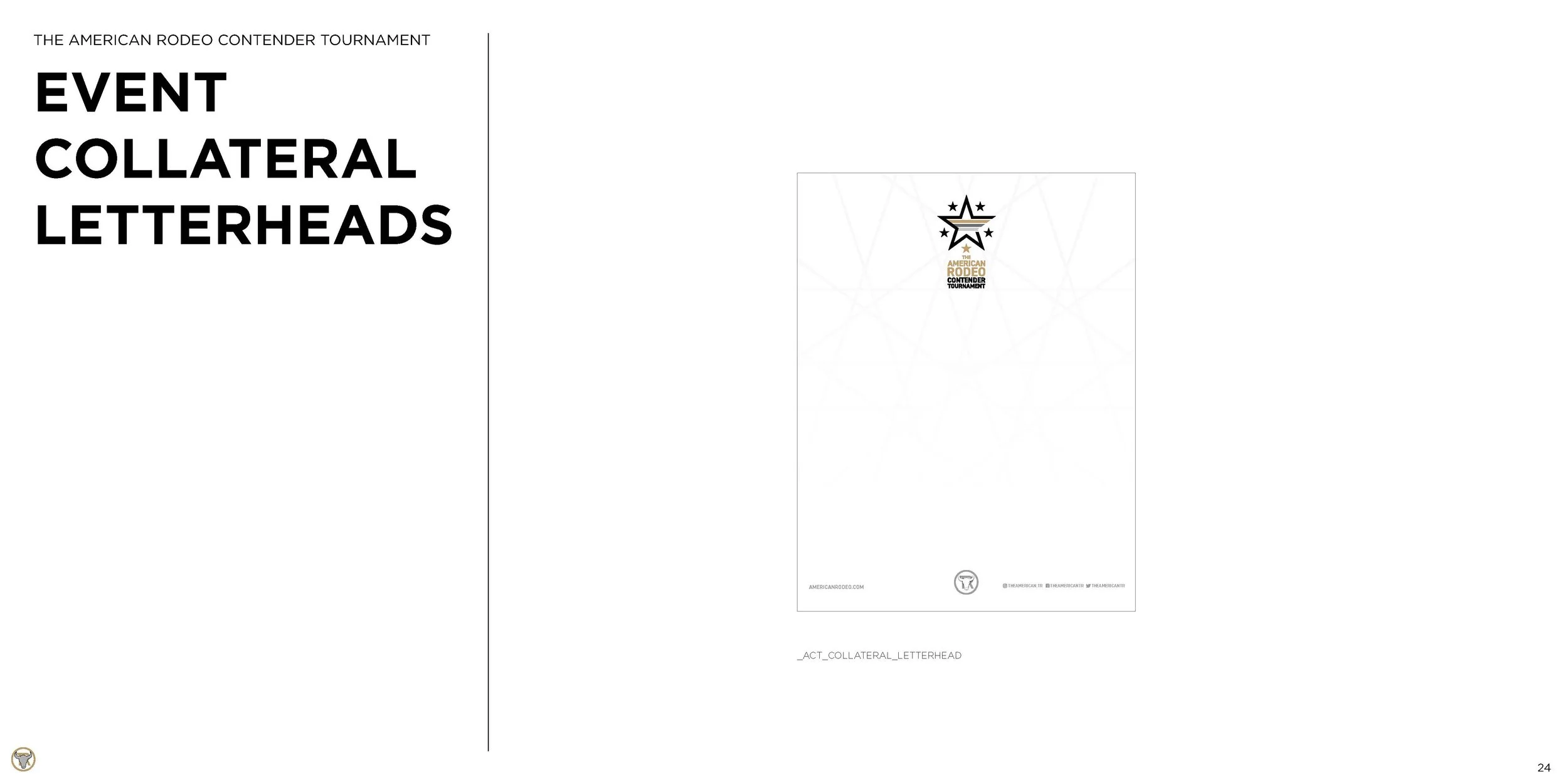
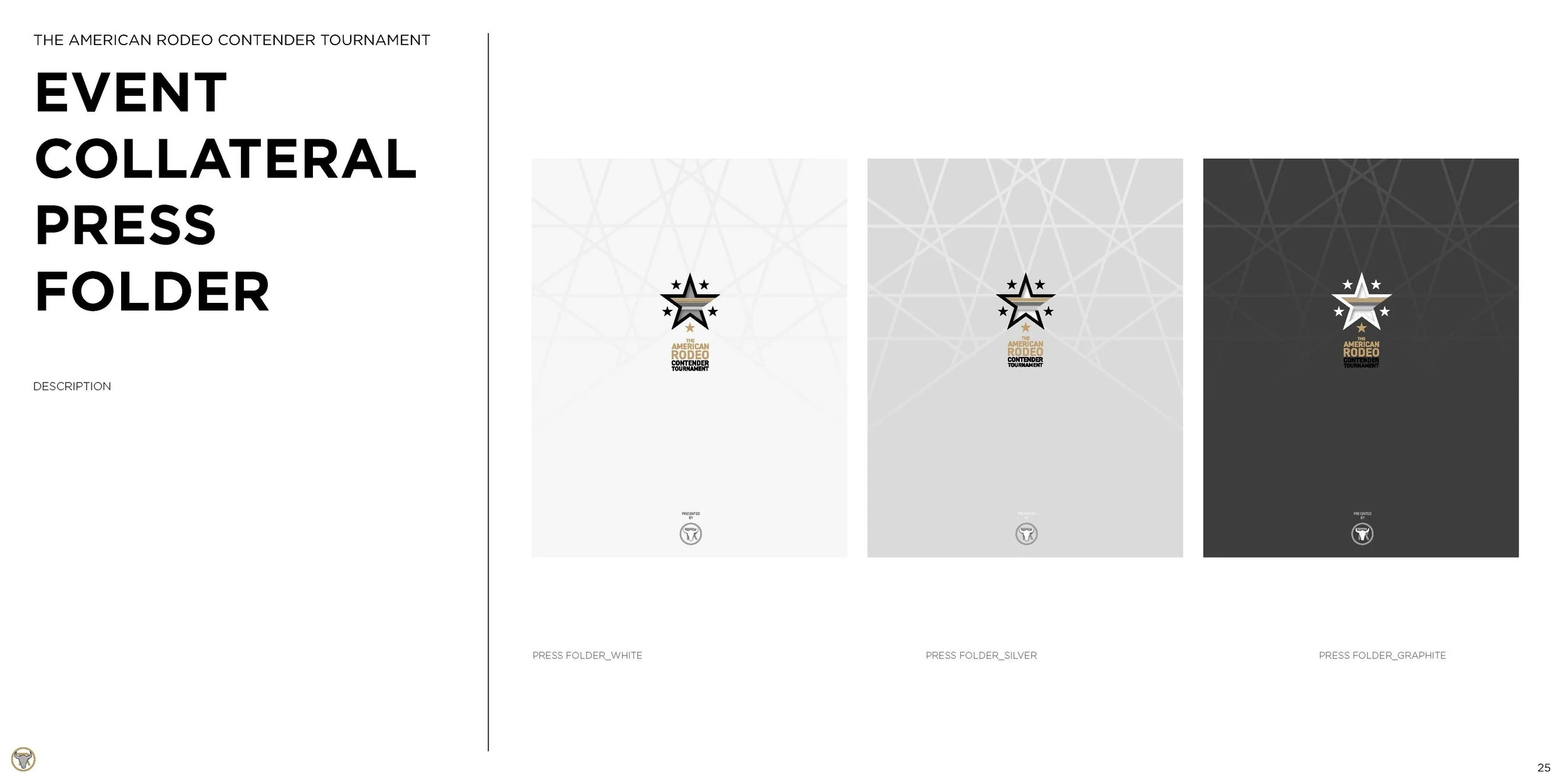
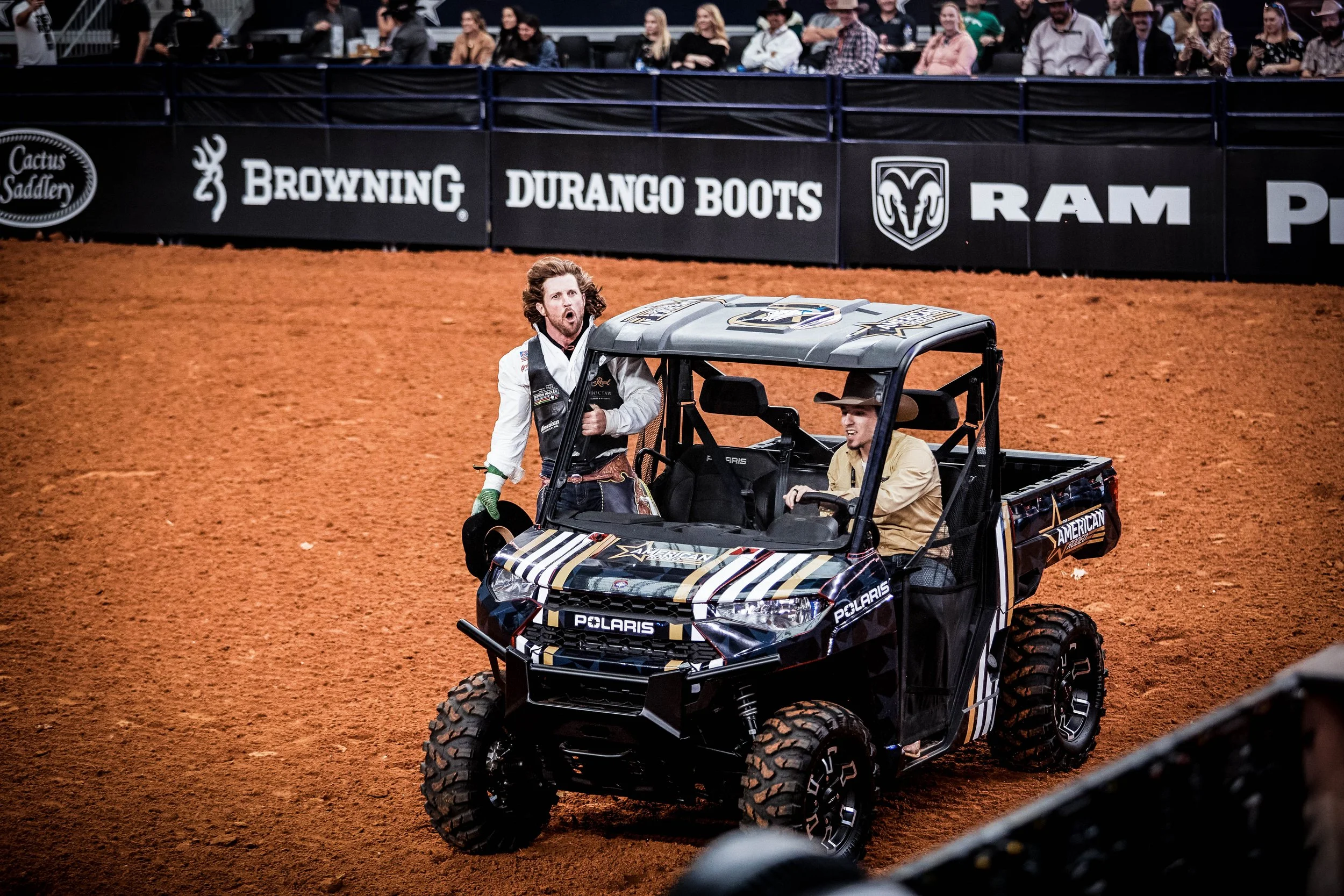
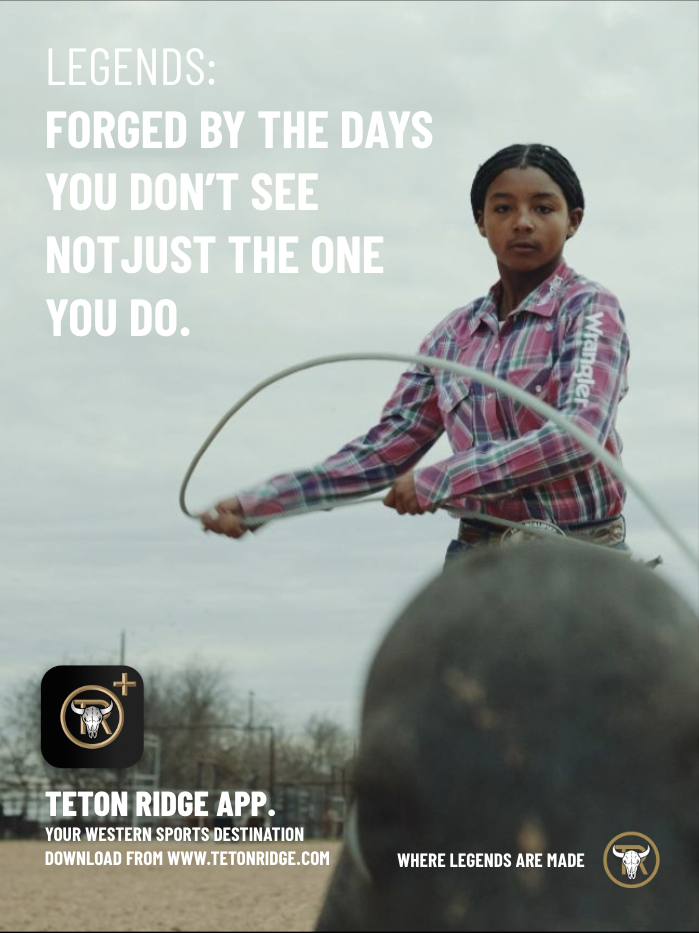
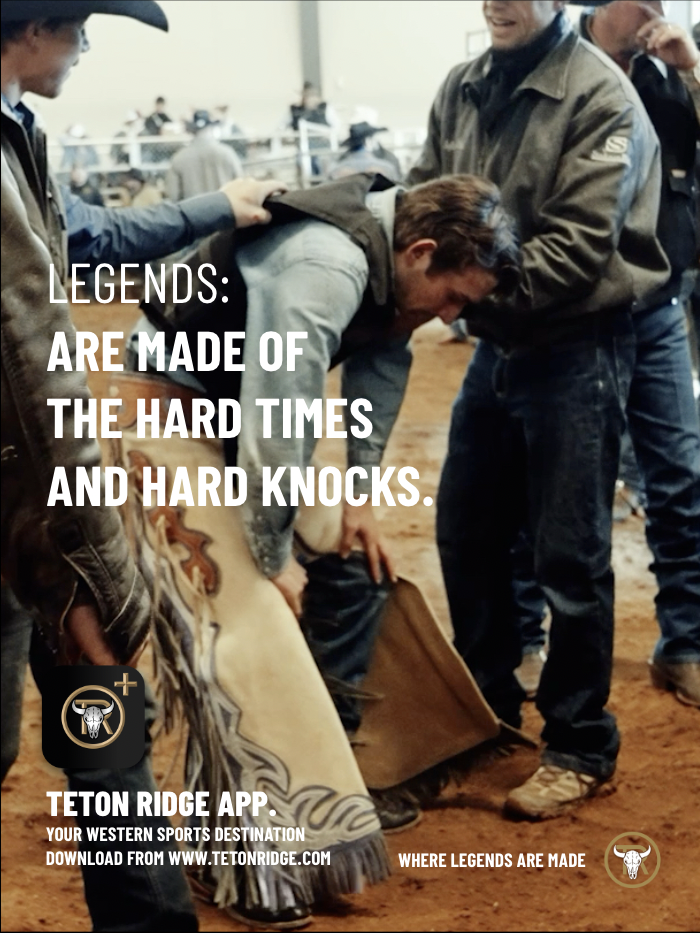
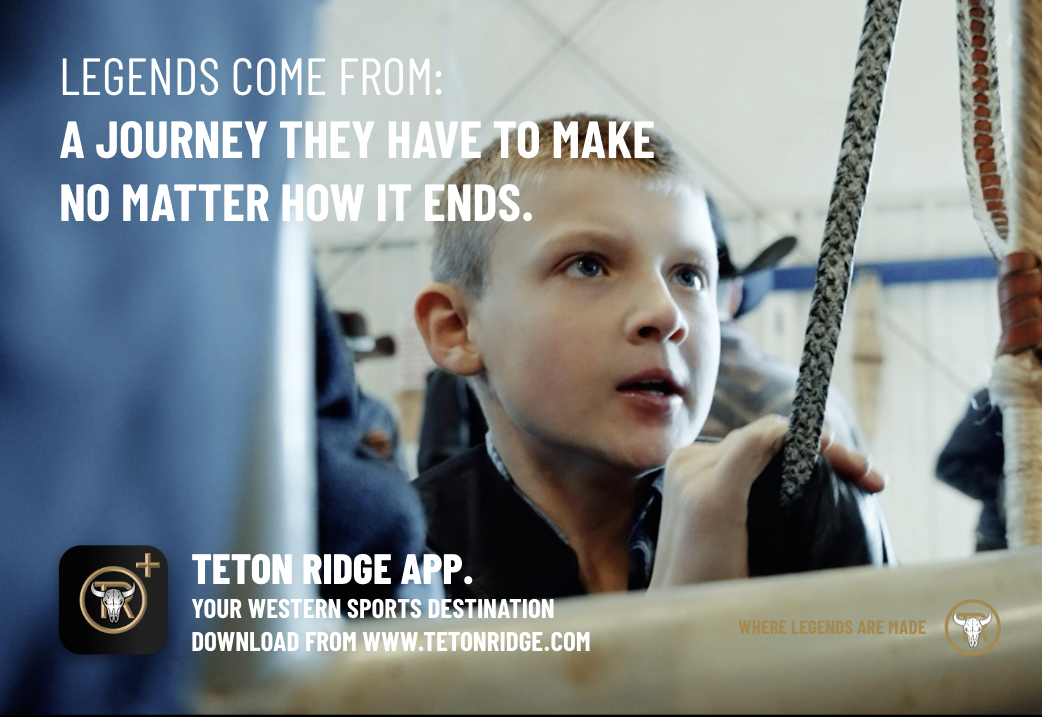
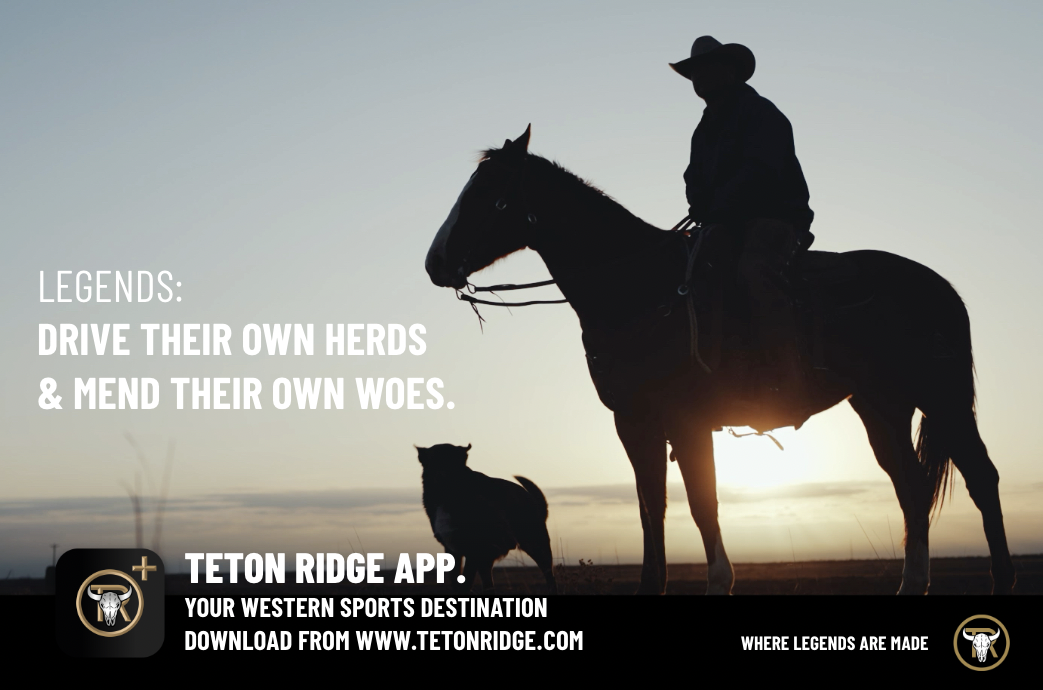
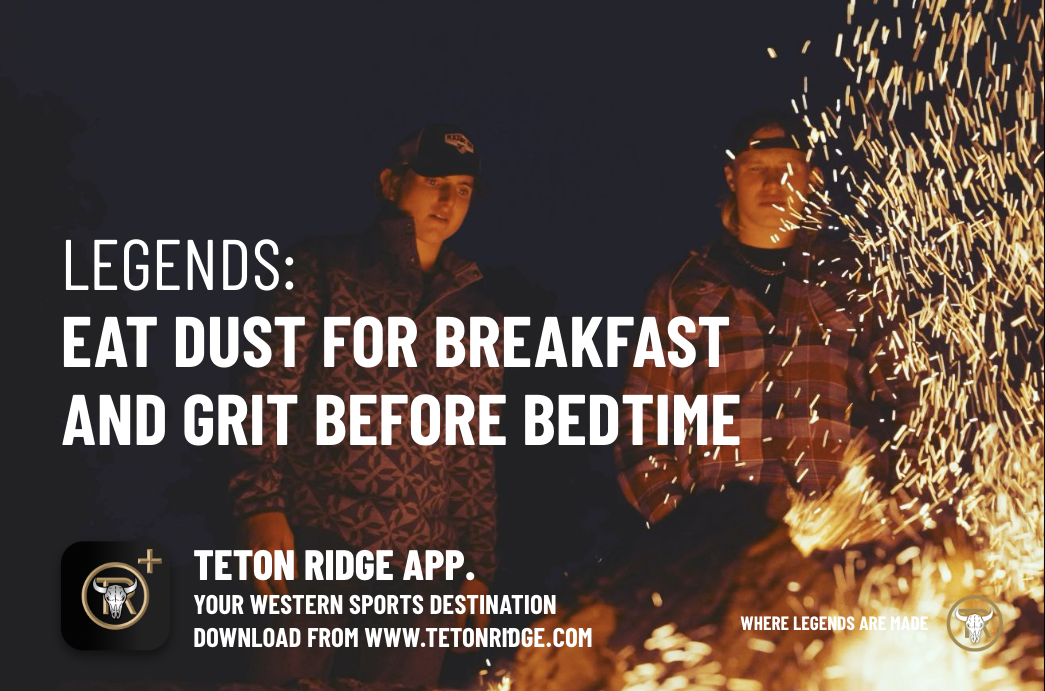
The branding extended well beyond the stadium, encompassing print, outdoor advertising and promotional materials.
From large-scale environmental branding to smaller printed applications, every touchpoint was considered as part of one cohesive visual system.




THE RESULT